2026 Top Filling Machine Types Buyers Guide to Global Sourcing?
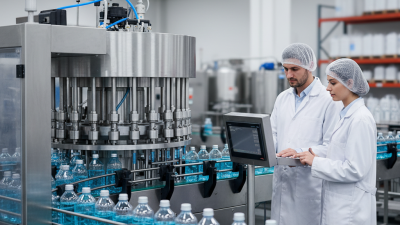
In the rapidly evolving world of packaging, filling machines have become crucial for manufacturers. According to a recent report by MarketsandMarkets, the global filling machine market is projected to reach $7.23 billion by 2026. This growth highlights the increasing demand across industries, including food and beverage, pharmaceuticals, and cosmetics. As businesses seek efficiency and accuracy in their processes, understanding the various types of filling machines is essential.
Filling machines come in diverse forms, such as volumetric, gravimetric, and pump fillers. Each type offers unique advantages tailored to specific production needs. However, selecting the right machine can be challenging. Buyers often grapple with balancing initial costs against long-term efficiency. Insights from industry professionals reveal that a well-chosen filling machine can increase productivity by up to 30%.
It's also vital to consider technological advancements. Automation and integration with existing systems are key trends. Yet, some companies may struggle to keep up with these developments. Continuous learning and adaptation are necessary for success in this competitive landscape.
Understanding Different Types of Filling Machines Available Globally
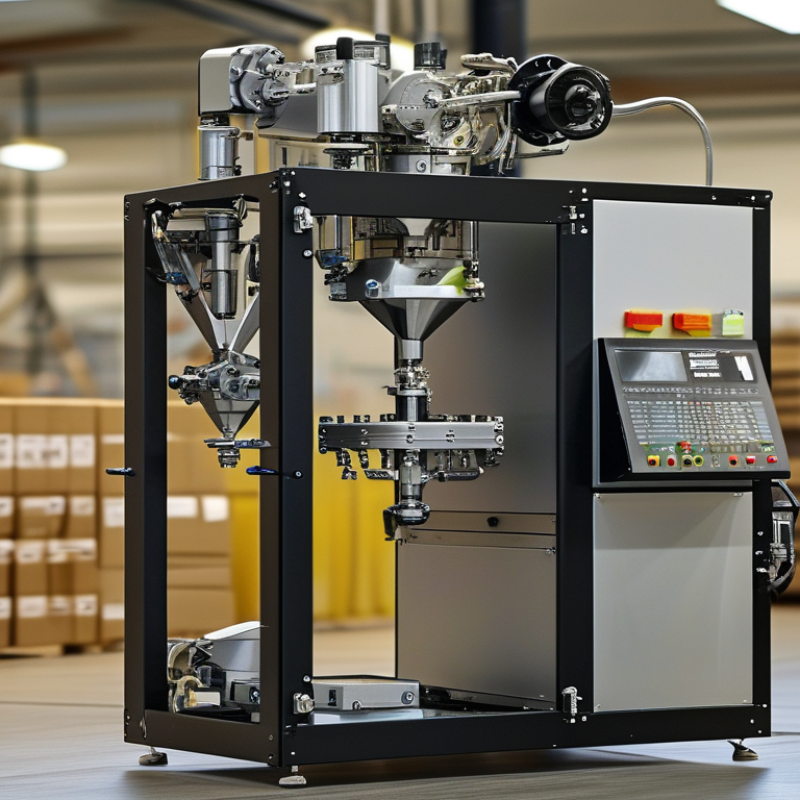
Filling machines are crucial in many industries, including food and beverage, pharmaceuticals, and cosmetics. Understanding these machines can help buyers make informed decisions. There are various types of filling machines available globally, each serving unique purposes. For instance, a recent report by Smithers indicates that the global filling machine market is expected to reach over $7 billion by 2026, reflecting ongoing demand.
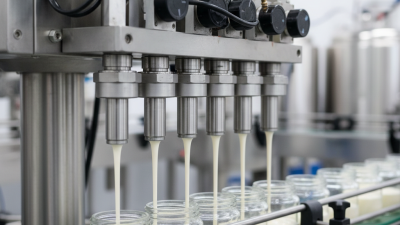
Piston fillers are ideal for thick liquids like pastes and creams. They work by drawing liquid into a cylinder and then dispensing it. Meanwhile, volumetric fillers measure precise amounts of liquid, making them suitable for high-speed production. These machines can vary significantly in price and complexity. Budget constraints often lead to compromises, which can affect product consistency.
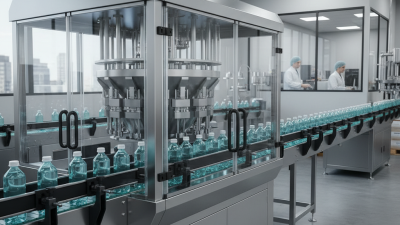
Pressure fillers are efficient for carbonated beverages. They use pressure to fill containers quickly. However, these machines can be sensitive to operational changes, which may result in inconsistent fills. It's essential for buyers to consider both efficiency and reliability when selecting the right machine for their needs. Ultimately, every type has advantages and limitations that warrant careful thought.
2026 Top Filling Machine Types
This chart represents the percentage distribution of different types of filling machines used globally in 2026. The data illustrates the popularity of various machine types in the filling industry.
Key Features to Consider When Buying Filling Machines
When selecting a filling machine, key features can greatly influence your efficiency and output.
Consider the machine's capacity. A higher capacity can speed up production but may require more maintenance.
Think about the type of product you will be filling. Liquids, powders, and granules each require different mechanisms.
Ensure the machine matches your specific needs to avoid costly adjustments later.
Another vital aspect is the machine’s adaptability. It should accommodate various package sizes and types.
Flexibility in design can save time and operational costs.
Look for features like quick changeover systems to minimize downtime.
Additionally, consider the ease of cleaning and maintenance. Machines that break down often can lead to delays and frustration.
Safety features also matter. Ensure the equipment has proper safeguards for operators. Regular performance checks and compliance with safety standards are essential.
It may seem overwhelming to choose the right filling machine, but thorough research can prevent potential pitfalls.
Reflecting on these factors will help guide your purchasing decision effectively.
Evaluating Suppliers for Global Sourcing of Filling Machines
When evaluating suppliers for global sourcing of filling machines, it's crucial to consider their experience in the industry. Experienced suppliers often understand the complexities of manufacturing processes. They can offer tailored solutions that meet specific production needs. Look for suppliers with a proven track record in different markets. This can help ensure they are capable of handling various products and packaging types.
Quality plays a significant role in supplier evaluation. Investigate the materials and technologies used in their machines. High-quality machines often lead to increased efficiency and reduced downtime. It's also important to check certifications and standards compliance. This shows the supplier’s commitment to maintaining rigorous quality levels. Additionally, consider visiting their facilities if possible. Observing their operation gives insight into their manufacturing practices.
Communication is another factor that cannot be overlooked. Suppliers who are responsive and transparent foster trust. This relationship can lead to smoother project execution. Nonetheless, not every supplier will meet these expectations. Reflecting on previous supplier experiences can help identify those who genuinely prioritize customer needs. Seek feedback from industry peers. Their insights can clarify which suppliers are reliable and reputable.
Current Trends in Filling Machine Technology and Innovations
The filling machine industry is witnessing significant technological advancements. One trend is the rise of automated systems. These machines enhance efficiency and reduce human error. They can manage high-speed operations, leading to impressive productivity. However, automation still poses challenges in maintenance and initial setup.
Another area of innovation is the integration of smart technology. Filling machines now come equipped with IoT capabilities. This allows for real-time monitoring and data analysis. Users can track performance and make informed decisions. Yet, the reliance on technology necessitates a thorough understanding. Not all operators are prepared for such complex systems.
Sustainability is also a key focus in filling machine design. Manufacturers are exploring eco-friendly materials and processes. This not only reduces waste but also addresses consumer demand for green solutions. However, these sustainable designs may come at a higher cost. This raises questions about the balance between innovation and affordability. As the market evolves, companies must consider both efficiency and sustainability.
2026 Top Filling Machine Types Buyers Guide to Global Sourcing - Current Trends in Filling Machine Technology and Innovations
| Filling Machine Type |
Main Features |
Pros |
Cons |
Current Trends |
| Gravity Filling Machine |
Uses gravity to fill containers, ideal for low-viscosity liquids. |
Low cost, easy to operate, minimal maintenance. |
Limited to low-viscosity liquids; slower filling speed. |
Increasing demand for eco-friendly materials. |
| Piston Filling Machine |
Uses a piston mechanism, suitable for thick liquids and creams. |
Accurate measurements, versatile for various products. |
Higher initial cost, more complex maintenance. |
Advancements in automation and smart technology. |
| Vacuum Filling Machine |
Creates a vacuum to fill containers, preventing air from mixing. |
Great for sensitive products, higher shelf life. |
Higher cost, requires skilled operators. |
Rising popularity in the food and beverage industry. |
| Peristaltic Filling Machine |
Uses a pump to move product through a tube, preventing contamination. |
No contact with the product, easy to clean. |
Limited viscosity range, slower than other types. |
Innovating in hygiene and cleaning technologies. |
Cost Analysis for Sourcing Filling Machines from Different Markets
When sourcing filling machines, cost analysis is a critical step. Different markets offer varying price points, influenced by labor rates, materials, and technology levels. According to a recent industry report, machines sourced from Southeast Asia are typically 20-30% cheaper than those from Western markets. This difference can significantly impact budget allocation for manufacturers.
However, buyers must consider more than just upfront costs. The longevity and efficiency of machines play a significant role in total cost of ownership. Reports suggest that lower-priced machines may require frequent repairs or replacements, affecting overall profitability. A machine that costs more initially could save on maintenance expenses later.
Regional compliance and quality standards also add complexity. Machines from certain markets may not meet specific regulations, leading to increased costs for modifications. This aspect often gets overlooked in cost analysis. Buyers must conduct thorough research to avoid pitfalls, ensuring that their chosen machines align with production standards and long-term operational goals.