Top 10 Benefits of UVLED Flatbed Printing You Need to Know?
UVLED Flatbed Printing has revolutionized the world of digital printing. This technology combines speed, precision, and versatility. It offers many benefits that can enhance any business's printing capabilities. With UVLED flatbed printing, you can print on a variety of surfaces, from wood to glass. The results are vibrant and durable, making it ideal for high-quality displays.
One significant advantage is the eco-friendly ink. Unlike traditional inks, UVLED inks cure instantly. This reduces smudging and allows for immediate handling and finishing. However, adopting this technology requires a learning curve. Not every business will transition smoothly. There are initial costs and equipment adjustments to consider.
Another appealing aspect is the ability to print large images without losing quality. You can create stunning graphics that captivate customers. Nevertheless, some may find that maintenance and operational skills vary among staff. Understanding these challenges is essential for maximizing the benefits of UVLED Flatbed Printing. Embrace this technology with preparation, and you'll reap the rewards it offers.
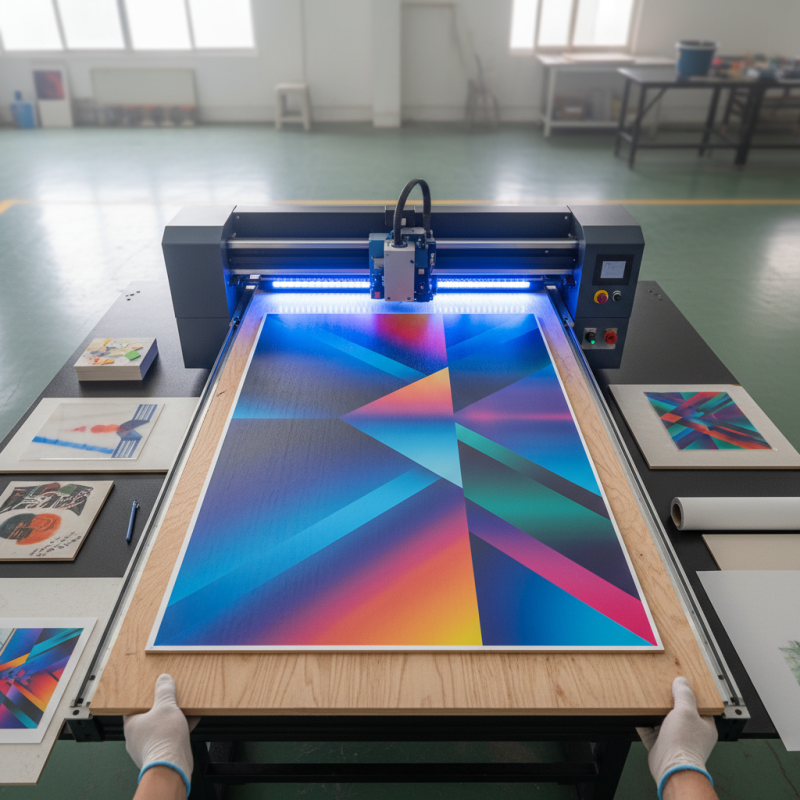
Overview of UVLED Flatbed Printing Technology
UVLED flatbed printing technology is revolutionizing the printing industry. It uses ultraviolet (UV) light to cure inks quickly. This method allows for printing on a variety of materials, including wood, glass, and metal. Research indicates that UVLED printers can enhance productivity by up to 30% compared to traditional methods. The instant curing means minimal wait times and faster job turnaround.
One notable aspect is the environmental impact. UVLED printers typically emit fewer volatile organic compounds (VOCs). According to industry reports, the shift to UVLED technology has led to a reduction in waste by 20%. This eco-friendly approach appeals to companies focused on sustainability. However, investment costs for UVLED technology can be high, making it a significant consideration for smaller businesses.
Moreover, the versatility of UVLED flatbed printing opens new creative possibilities. Designers can experiment with textures and finishes previously not achievable. While many embrace this advancement, some printers struggle with calibration and consistency. Achieving the perfect balance of speed and quality remains a challenge for some operators. Overall, UVLED flatbed printing stands at the forefront of innovation, but it requires thoughtful implementation.
Environmental Benefits of UVLED Flatbed Printing
UVLED flatbed printing offers significant environmental benefits that are hard to ignore. It uses UV light to cure ink, which reduces volatile organic compounds (VOCs) compared to traditional printing methods. According to the Environmental Protection Agency, conventional printing can emit up to 10 grams of VOCs per square meter of printed material. In contrast, UVLED systems can cut these emissions by as much as 95%. This reduction is crucial for improving air quality and protecting worker health.
Additionally, UVLED flatbed printers are energy-efficient. They require less power to operate and often have shorter curing times. A report from Green Business Bureau states that UVLED technology can save up to 50% in energy consumption compared to traditional UV systems. However, the initial setup cost can be higher for businesses. This is a consideration that many small to medium-sized operations may need to reflect on before transitioning to this technology.
In terms of waste reduction, UVLED inks tend to be used more efficiently, producing less waste overall. This efficiency is a promising step towards creating a more sustainable printing process. Nonetheless, it’s essential to remain aware of the lifecycle of these inks. While UVLED printing is a cleaner choice, companies must ensure responsible disposal to avoid future environmental issues.
Cost Efficiency and Economic Advantages of UVLED Printing
UVLED flatbed printing is gaining traction for its cost efficiency and economic advantages. According to a recent industry report, companies that adopt UVLED technology can reduce printing costs by up to 30%. This reduction stems from lower energy consumption and faster production times. With UVLED printers, businesses are no longer bound by the lengthy drying times of traditional printing methods. Instead, prints cure instantly, enabling quicker turnaround times and increased productivity.
Moreover, UVLED printing allows for greater versatility in materials. Businesses can print on a variety of substrates, including plastics, wood, and metal. Reports indicate that this flexibility opens up new revenue streams. By expanding their capabilities, companies can target different markets or offer customized solutions. However, transitioning to UVLED technology might require significant initial investment. For some, this could pose a financial challenge. Yet, many small enterprises have found that the long-term savings offset their upfront costs.
Despite these benefits, the industry faces challenges. There are ongoing discussions about the environmental impact of UVLED inks and the need for sustainable practices. As awareness grows, businesses must adapt to these concerns. Investing in this technology presents an opportunity, but it also requires careful consideration of every aspect.
Versatility in Materials and Applications of UVLED Flatbed Printing
UVLED flatbed printing is a game-changer for many industries. Its versatility allows printing on various materials such as wood, metal, glass, and plastics. This opens opportunities for unique creations that traditional printing cannot achieve. Whether it’s custom signage or decorative items, UVLED printers handle it all. The vibrant colors and durable finishes make products stand out.
In addition, the ability to print on uneven surfaces adds to its appeal. Many businesses struggle with material limitations. UVLED technology solves these issues by adapting to different substrates. The exciting part is the endless possibilities this technology brings. However, it may take time to master the machine and optimize settings. Learning to achieve the best quality can be a challenge.
Moreover, while UVLED printing is efficient, it requires careful consideration of material compatibility. Not all surfaces react the same way to UV inks. Business owners need to experiment and understand how each material behaves. It can be frustrating but also rewarding when the results align with their vision. Embracing this technology means navigating its complexities, but the creative potential can be truly fulfilling.
High-Quality Output and Durability of UVLED Prints
UVLED flatbed printing offers a remarkable combination of high-quality output and impressive durability. Unlike traditional printing methods, UVLED technology cures ink instantly using ultraviolet light. This process results in vibrant colors and sharp details on various surfaces. Whether on wood, glass, or metal, the outcome consistently stands out. The prints resist fading, making them ideal for both indoor and outdoor use.
Moreover, the durability of UVLED prints is noteworthy. They can withstand scratches, moisture, and even harsh chemicals. This resilience makes them suitable for items that face regular wear and tear. However, it's essential to recognize that not all UVLED prints are created equal. Some printers may deliver subpar results if not properly maintained. Inconsistent ink flow or inadequate surface preparation can lead to less-than-ideal quality.
Investing in UVLED flatbed printing opens up new creative avenues. The versatility in materials and finishes is exciting. Still, users must be aware of potential challenges in achieving consistent quality. Regular maintenance and calibration of printers play a critical role in successful output. Striking the right balance between innovation and meticulous care is essential for maximizing the benefits of this technology.
Top 10 Benefits of UVLED Flatbed Printing
This bar chart illustrates the top ten benefits of UVLED flatbed printing. Each benefit is rated based on its significance, showcasing features like high-quality output and durability, which are rated highly among users. Other benefits such as eco-friendliness and customizability also play important roles in the decision-making process for adopting UVLED technology.