Best Material Cart for Efficient Transport and Storage Solutions?
Efficient transport and storage are crucial in modern industries. Material carts play a vital role in enhancing productivity. According to a report by the Material Handling Industry of America, proper material handling can lead to a 25% increase in efficiency. A material cart can streamline processes, reduce downtime, and improve safety.
However, not every material cart meets the needs of every operation. Some are too bulky, hindering mobility. Others lack proper compartments, leading to disorganization. It's essential to analyze specific requirements before selecting the right material cart. For example, a cart designed for warehouse use may not be suitable for a retail environment.
Investing in the right material cart is an opportunity for growth. Industry studies suggest that effective material handling contributes significantly to overall operational smoothness. Each decision must consider the cart's design, capacity, and intended use. A thoughtful approach ensures that businesses maximize their resources while promoting efficiency and safety in daily operations.
Types of Material Carts for Transport and Storage Solutions
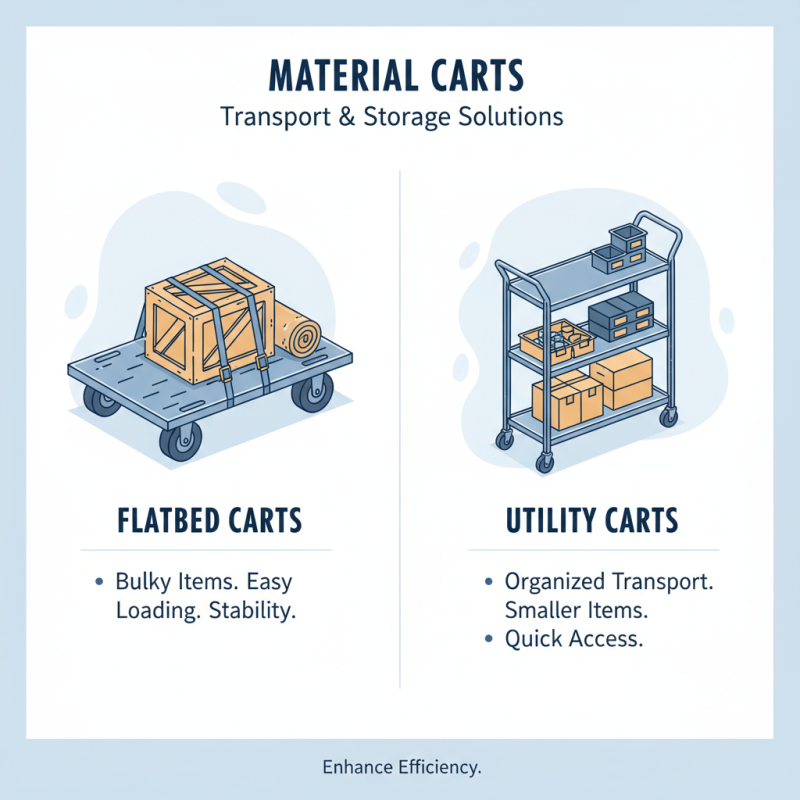
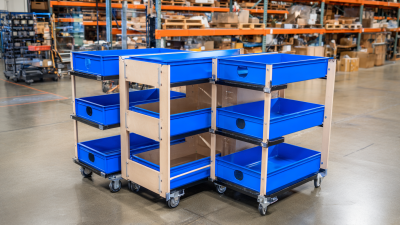
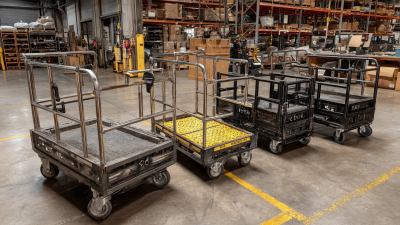
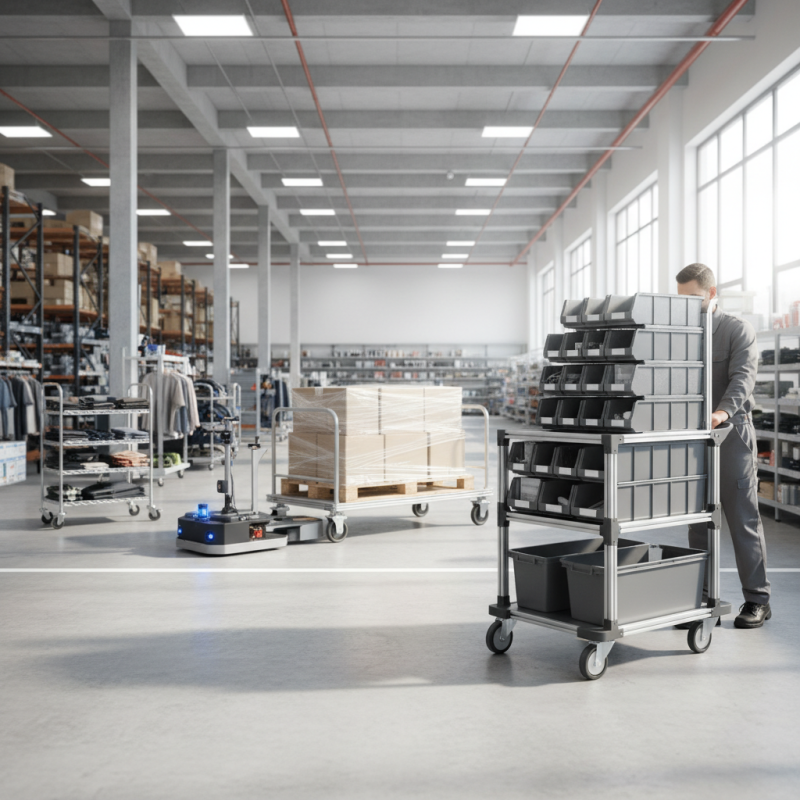
Material carts come in various types, each designed to enhance transport and storage solutions. Flatbed carts are versatile. They can carry bulky items with ease. Utilizing a flat surface, they offer stability and ease of loading. Utility carts usually have multiple shelves. These carts allow for organized transportation of smaller items. Their design enables quick access, making them ideal for workshops or warehouses.
Consider how much weight you typically move. This can determine the best cart for you. Not all carts are created equal. Some may buckle under pressure. Ensure you choose a robust model for heavy loads. Also, pay attention to wheel quality. Larger wheels can navigate uneven terrain better. This adds efficiency to your transport tasks.
Tips: Regularly check your material cart for wear and tear. Make sure wheels are functioning smoothly. A cart that is hard to maneuver can increase fatigue. Remember to keep it clean and organized. A cluttered cart may lead to accidents.
Key Features to Consider When Choosing a Material Cart
When selecting a material cart, consider its primary function. Assess the weight capacity. Different tasks require different strength levels. A sturdy cart can handle heavy loads, while a lighter one suits smaller items. Check the wheel design too. Large wheels provide better maneuverability, especially on uneven surfaces.
Look at the storage features. Multiple shelves can be beneficial. They allow easy organization and quick access to items. Some carts offer removable shelves for easy cleaning and flexibility. Next, consider the material. Metal carts can provide durability. However, plastic options are often lighter and rust-resistant.
Also, reflect on the handle design. A comfortable grip makes a big difference. An adjustable handle can cater to various user heights, improving ergonomics. Always test a cart before purchasing. It’s important to ensure it suits your specific needs. Test its stability and ease of use. A well-chosen material cart can significantly enhance your efficiency.
Benefits of Using Material Carts in Various Industries
Material carts play a crucial role in many industries. They provide efficient transport and storage solutions. Whether in warehouses, hospitals, or factories, these carts streamline operations. They help minimize physical strain and reduce time spent on moving materials. This is beneficial for both employees and employers.
Using material carts can enhance workplace safety. With a proper design, these carts can hold heavy items securely. This prevents accidents and injuries. However, it's essential to choose carts that fit specific tasks. A poorly suited cart can lead to inefficiency and frustration.
**Tip:** Always assess the load capacity. It’s vital to match it with your needs.
In addition to safety, material carts improve organization. They allow for easy access to tools and supplies. This can lead to increased productivity. But, not all carts are created equal. Some may become unstable with uneven loads. Regular checks can help avoid this issue.
**Tip:** Organize items by frequency of use. This saves time and ensures efficiency.
Consider the environment too. Some materials may not be suited for all settings. For instance, metal carts can rust in humid conditions. Evaluate your specific needs when selecting a cart. Careful planning leads to better overall solutions.
Best Material Cart for Efficient Transport and Storage Solutions
| Industry |
Material Cart Type |
Load Capacity (lbs) |
Key Benefits |
Common Uses |
| Retail |
Platform Cart |
1000 |
High stability and large surface area |
Transporting bulky merchandise |
| Warehouse |
Shelving Cart |
500 |
Organized storage capacity |
Storing and moving inventory |
| Manufacturing |
Heavy-Duty Cart |
1500 |
Robust construction for heavy loads |
Moving heavy tools and materials |
| Healthcare |
Utility Cart |
300 |
Versatile for various equipment |
Transporting medical supplies |
| Food Service |
Food Cart |
400 |
Food-safe materials |
Serving trays and supplies |
Maintenance Tips for Prolonging the Life of Material Carts
Material carts play a vital role in efficient transport and storage. To extend their lifespan, regular maintenance is essential. Begin by checking the wheels and casters frequently. Look for signs of wear or damage. Replace them promptly to ensure smooth operation. Lubricate moving parts to prevent squeaks and stiffness. This simple step can save time and effort.
Inspect the cart’s surface for scratches or dents. These can lead to rust if left unattended. Regular cleaning helps maintain its appearance and functionality. Use a mild detergent and water, avoiding harsh chemicals. After cleaning, dry the cart thoroughly. Moisture can accumulate and cause corrosion over time.
Finally, consider load limits when using your cart. Overloading may lead to structural issues. Learn from past mistakes if your cart becomes unstable. Adapting to these insights can lead to safer and more effective use of your material cart. Embrace the learning process to better care for your equipment.
Comparative Analysis of Popular Material Cart Brands and Models
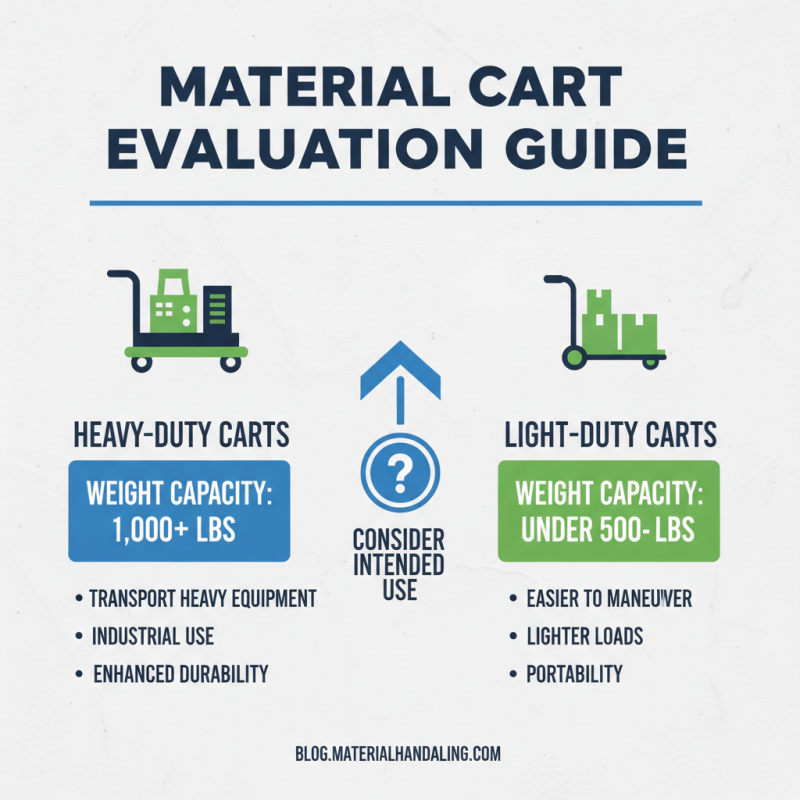
When evaluating material carts, various features come into play. Weight capacity is crucial. Some models can hold over 1,000 pounds. This is essential for transporting heavy equipment. Conversely, lighter models are easier to maneuver but may lack durability. It’s important to consider the intended use.
The wheel design also impacts efficiency. Larger wheels can traverse uneven surfaces more smoothly. Smaller wheels may struggle in such conditions. Observations show that users often overlook this detail. A cart that’s easy to push can save time and energy. However, finding the right balance between size and stability can be challenging.
Storage options are another critical aspect. Some carts come with built-in shelves, while others offer open spaces. Closed storage can protect items from dust. However, open designs allow for quicker access. Users frequently find themselves pondering what suits their needs best. Ultimately, it's about finding a solution that meets specific transport and storage demands.