How to Buy Used Packaging Equipment in 2026?
In 2026, the demand for used packaging equipment is on the rise. Industries are constantly seeking cost-effective solutions to enhance productivity and efficiency. When purchasing used packaging equipment, understanding the market becomes crucial. Knowledge about the equipment's condition, brand reliability, and seller reputation can make a significant difference.
Many buyers may overlook small details during the buying process. Failing to check the equipment’s maintenance history can lead to unexpected costs. It’s essential to inspect the machinery thoroughly before committing. A proper evaluation can save money in the long run.
Additionally, networking with industry experts can provide valuable insights. Professional advice can help identify trustworthy sellers and suitable equipment. Buyers should engage in discussions to gain different perspectives. Taking time to research and ask questions will improve the purchase experience, ensuring that the equipment aligns with operational needs.
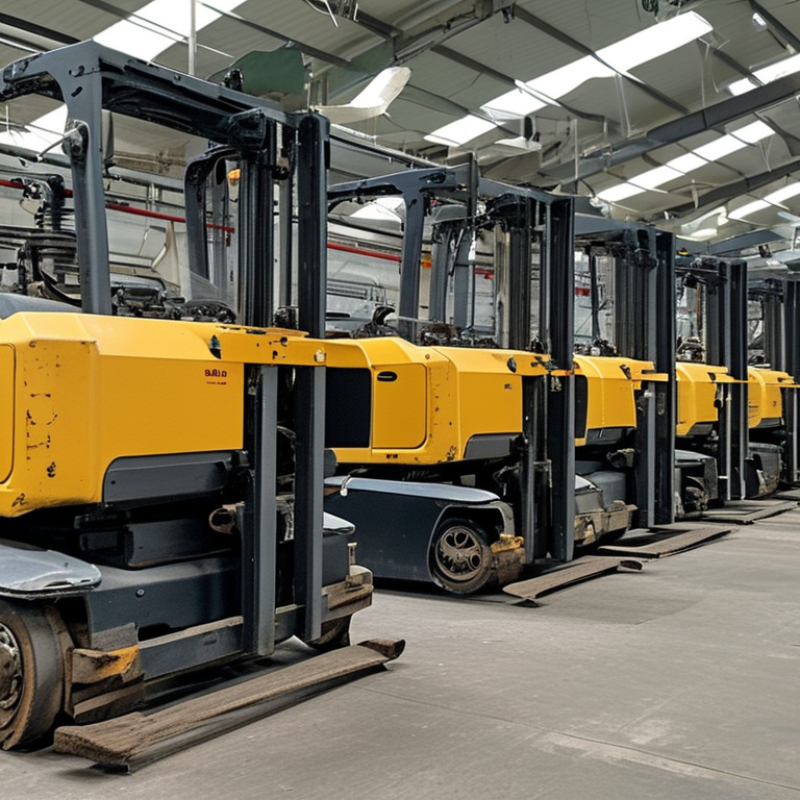
Understanding the Current Market Trends for Used Packaging Equipment in 2026
The used packaging equipment market in 2026 shows remarkable trends. Understanding these trends is crucial for making informed purchasing decisions. As businesses continue to seek cost-effective solutions, the demand for high-quality used equipment is on the rise. Buyers are keen to save costs while ensuring efficiency in their operations.
In this competitive landscape, consider these tips. First, conduct thorough research on equipment condition and history. Equipment that seems reliable may have hidden issues. Always ask for maintenance records and previous use details.
Next, focus on industry-specific needs. Used equipment may need modifications to fit your processes. Assess whether you can make these adjustments or if you're better off with newer models. Flexibility is key; sometimes, the perfect find requires compromise.
Lastly, build relationships with dealers. Trustworthy sellers often provide insights that can assist in your purchasing decision. They may also inform you about equipment that has just come onto the market. However, beware of overly optimistic claims; their goal is to sell.
Navigating the used packaging equipment market necessitates careful analysis and keen judgment. Understanding market trends is not enough; smart buying includes detailed research and the ability to adapt to ongoing changes.
Key Factors to Consider When Assessing Used Packaging Equipment
When assessing used packaging equipment, condition is key. Inspect for wear and tear. Look for rust, cracks, or dents. A detailed visual inspection can reveal hidden issues. Always ask for maintenance records to understand the machine's history. This can provide insights into potential future problems.
Another important factor is compatibility. Ensure the equipment fits your production line. Consider the size, output capacity, and the types of products you plan to package. Test compatibility through a demonstration, if possible. These steps can prevent costly adjustments later.
It's crucial to consider the seller's reputation. Research their background and read customer reviews. A reliable supplier will offer warranties and support. This builds trust and ensures accountability. Be cautious of deals that seem too good to be true. They often come with hidden risks or undisclosed issues.
How to Buy Used Packaging Equipment in 2026? - Key Factors to Consider When Assessing Used Packaging Equipment
| Factor |
Description |
Importance Level |
Recommended Action |
| Condition |
Evaluate the physical and operational condition of the equipment. |
High |
Conduct thorough inspections and request maintenance records. |
| Compatibility |
Ensure the equipment is compatible with existing production processes. |
Medium |
Review specifications and process requirements. |
| Price |
Analyze the cost relative to new equipment and market rates. |
High |
Compare prices from multiple suppliers. |
| Warranty |
Check for any remaining warranties or guarantees. |
Medium |
Negotiate warranty terms with the seller. |
| Supplier Reputation |
Research the reputation and reliability of the seller. |
High |
Read reviews and seek testimonials from other buyers. |
| Technology |
Assess the technology used in the equipment and its relevance. |
High |
Ensure it meets current industry standards. |
Analyzing the Cost-Benefit Ratio of Purchasing Used vs. New Equipment
When considering a purchase, the cost-benefit analysis is crucial. According to recent industry reports, used packaging equipment can save businesses up to 50% compared to new machinery. This significant price difference translates to lower capital investment, allowing for better allocation of resources. For small to medium enterprises, these savings are vital for growth and sustainability.
However, the reliability of used equipment remains a concern. A 2023 survey indicated that 40% of users experienced unexpected maintenance issues within the first year. This statistic highlights the importance of thorough inspections and assessments before purchase. Investing in extended warranties or service agreements can mitigate these risks but can also add to overall costs.
While new equipment offers the latest technology and efficiency, used options often provide sufficient performance for many operations. A detailed evaluation should weigh initial costs against potential downtime. In many cases, businesses may find used machinery to be a more pragmatic choice, balancing affordability with operational needs. Careful consideration can lead to better long-term outcomes.
How to Evaluate the Condition and Performance of Used Equipment
When evaluating the condition and performance of used packaging equipment, thorough inspection is crucial. Start with the physical appearance. Look for signs of wear, rust, or any structural damage. Inspect the machinery’s components, such as belts, gears, and motors. A detailed visual assessment can reveal potential issues that may affect performance.
Research suggests that nearly 30% of used equipment fails within the first few months due to overlooked defects. Therefore, it is vital to assess operational history. Request maintenance records and previous service evaluations. Confirming that the equipment has been regularly maintained adds a layer of reliability to your purchase decision.
Tips: Always test-run the machinery, if possible. This provides insight into the actual performance and efficiency. Listen for unusual sounds that might indicate mechanical problems. Furthermore, consider hiring an expert for an evaluation. Their expertise will help identify hidden faults, making your investment more secure.
Navigating Regulatory Compliance and Safety Standards in Used Packaging Equipment
When buying used packaging equipment, regulatory compliance and safety standards are crucial. Understanding local and industry-specific regulations can be daunting. However, compliance is non-negotiable. Equipment should meet the latest safety standards to avoid liabilities.
Tips for ensuring compliance:
- Research applicable regulations for your industry.
- Verify the equipment’s certifications.
- Consult experts if guidelines seem unclear.
Condition is another critical factor. Even if equipment seems safe, hidden issues could exist. Regular maintenance and inspection records should be requested.
Documentation helps verify that the equipment aligns with safety expectations.
When making a purchase, prioritize
reliability over price. A cheaper option may not comply with safety standards. Investing in well-documented equipment minimizes risks.
Stay updated on compliance trends. Regulations can evolve rapidly. Engaging with industry forums can provide ongoing insights. It’s vital to adapt to changes in safety standards to protect your business.