How to Choose the Best Beer Making Machine for Home Brewing?
The craft beer industry has experienced remarkable growth over recent years. In 2022, the global craft beer market size was valued at approximately $164.2 billion, showcasing a significant demand for home brewing. As more enthusiasts seek to create their unique brews, selecting the right Beer Making Machine becomes crucial.
Homebrewers want more than just a basic setup. They often look for machines that guarantee quality, efficiency, and ease of use. Reports indicate that 70% of homebrewers value advanced features like temperature control and automated brewing processes. These elements enhance the brewing experience and impact the final product's taste and aroma.
However, not all machines meet these expectations. Many consumers struggle with overcomplicated features or unreliable performance. This can lead to frustration, resulting in abandonment of home brewing altogether. Thus, it’s essential to evaluate options carefully. Investing in a reputable Beer Making Machine can make or break the home brewing journey, so choose wisely to enjoy the full potential of crafting your own beers.
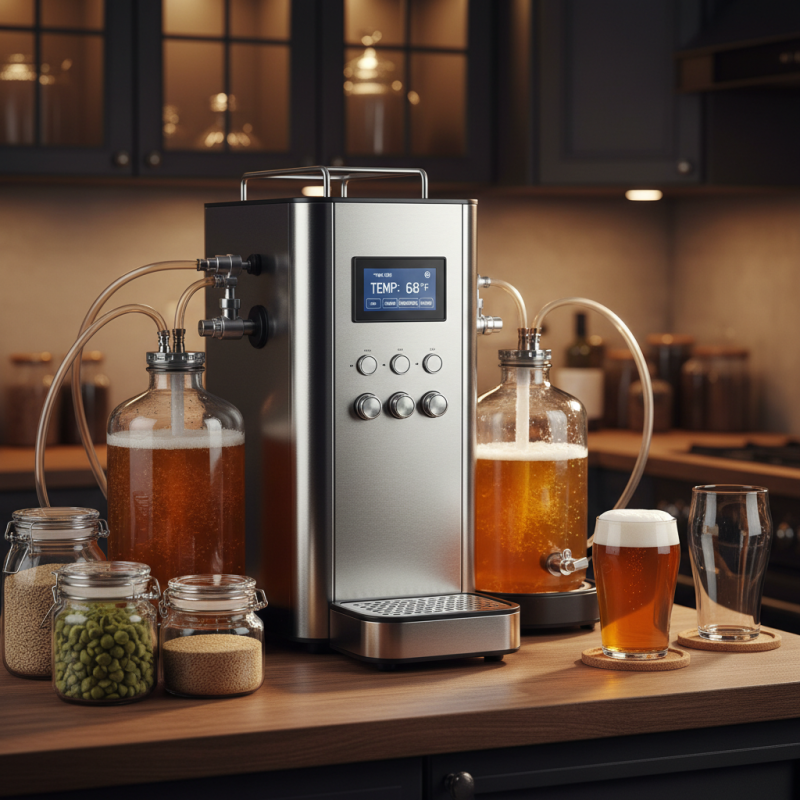
Understanding Different Types of Beer Making Machines for Home Brewing
When selecting a beer making machine for home brewing, understanding the various types available is crucial. Two popular options are all-in-one systems and modular setups. All-in-one systems, like those studied in a 2022 brewing equipment survey, are user-friendly and often compact. They are ideal for beginners. Modular setups offer more flexibility and customization. This can appeal to experienced brewers who desire control over each brewing stage.
The choice depends on your experience level and brewing goals. Aim for a machine that suits your brewing style. Beginners may benefit from simpler options with automation features. Meanwhile, advanced brewers might prefer machines that allow for manual adjustments and upgrades.
Tips: Research models that provide detailed temperature control. Accurate fermentation temperatures can lead to better flavor profiles. Check user reviews for insights into reliability and performance. Many brewers reported that ease of cleaning impacts their brewing experience. Consider a machine that simplifies maintenance, as it can save time and effort in the long run.
Key Features to Look for in Home Brewing Machines
Choosing the right beer making machine for home brewing involves understanding key features that enhance your experience. Temperature control is crucial. A precise thermostat ensures optimal fermentation. Look for machines that offer easy temperature adjustments. This control directly affects the taste of your beer.
Another important feature is the ease of cleaning. Brewing can be a messy process. Machines with detachable parts simplify cleaning sessions. This minimizes the risk of infection in your brews. Consider models with built-in cleaning cycles, too.
Size matters as well. Assess your brewing space before purchasing. A compact machine may save space but could limit batch sizes. Conversely, a larger unit might offer more brewing capacity but requires more storage. Think about your brewing goals. Will you brew often or only occasionally? Reflect on these aspects to find the best fit for your needs.
Evaluating Brewing Capacity: How Much Beer Can You Make?
When evaluating brewing capacity, it’s essential to consider how much beer you want to produce. Home brewing can range from small batches to larger quantities. Understanding your needs will guide you in selecting the right beer making machine. Most home brewers start with machines that yield around five gallons per batch. This amount is ideal for personal consumption or small gatherings.
Brewing capacity impacts not just quantity but also the brewing process. Smaller machines offer easier management and less space. Larger setups can produce more beer but require more equipment and ingredients. Assess your available space and brewing habits. This assessment will help you decide on the size that fits your lifestyle.
Tips: Remember to factor in fermentation time and storage needs. Be mindful that a larger capacity might involve a steeper learning curve. You might face challenges with consistency and quality. Experimenting with different batch sizes can provide insight into what works best for you. Don’t hesitate to make adjustments as you learn along the way.
How to Choose the Best Beer Making Machine for Home Brewing? - Evaluating Brewing Capacity: How Much Beer Can You Make?
| Model | Batch Size (Gallons) | Brewing Time (Hours) | Ease of Use | Price ($) |
| Home Brew Pro 1000 | 5 | 4 | Beginner Friendly | 250 |
| Craft Brew Master | 3 | 5 | Intermediate | 350 |
| Brew Buddy 2000 | 7 | 3 | Advanced | 400 |
| Mini Brewer 500 | 1.5 | 2 | Very Easy | 150 |
| Family Brew Station | 10 | 6 | Beginner Friendly | 500 |
Cost Analysis: Budgeting for Your Beer Making Machine
When considering a home brewing machine, cost is a major factor. According to recent industry studies, home brewing equipment can vary widely, ranging from $100 to over $2,000. The complexity and size of the machine play significant roles in this pricing. Many beginners can start with a simple brewing kit, which is more affordable and ideal for testing your brewing skills.
However, investing in a more advanced machine might yield better results. High-end models often include features that enhance flavor, control fermentation temperature, and automate processes. These machines can significantly improve the quality of your beer. Yet, you should weigh this potential against your budget.
Tips for budgeting: Start by assessing your brewing goals. If you aim for casual brewing, a lower-cost option suffices. However, for serious enthusiasts, it might be worth saving for a more professional unit. Keep in mind that additional costs will accrue, such as ingredients and maintenance. Analyzing all these factors can help ensure that you choose a machine that meets your needs without breaking the bank.
User Reviews and Industry Ratings: Choosing the Right Machine
When selecting a home brewing machine, user reviews offer valuable insight. They reflect real experiences of fellow brewers. Many users share their triumphs and failures. Reading these accounts can reveal common issues. Look for feedback on ease of use and quality. Some machines may have complex setups. Others might be user-friendly but limit brewing options.
Industry ratings provide a broader perspective. They analyze features such as brewing capacity and temperature control. These ratings come from experts and seasoned home brewers. However, they may not capture personal preferences. Not every highly rated machine suits every brewer. Some users find that what works well for one may not for another. It’s crucial to align these ratings with your brewing goals.
Pay attention to installation and maintenance needs. Some machines require more care than others. A complicated brewing process can deter even passionate enthusiasts. Seek reviews that address ease of cleaning and part availability. Knowledge from experienced users can save you time and frustration. Factors like size and space limitations also matter. Not everyone has a large kitchen for elaborate equipment. It's essential to assess how a machine fits into your lifestyle.