How to Choose the Best Used Packaging Equipment for Your Needs?

Choosing the best used packaging equipment can seem daunting. With diverse options available, selecting the right machinery affects efficiency and costs. Industry expert Alex Thompson states, “Investing in quality used packaging equipment can enhance production while reducing waste.” His insight highlights the importance of thoughtful selection.

Understanding your specific needs is crucial. Equipment should align with your production volume and product type. Inspecting the machinery for wear and age is vital. A well-maintained piece can save you money in the long run. However, not all sellers provide clear histories of their used packaging equipment, making it challenging to assess value.

While many options exist, not every machine will serve you well. Some features might become outdated or irrelevant. Reflect on what your operation truly needs. Look for reputable suppliers who specialize in used packaging equipment. Trustworthy sources can guide you through this intricate landscape and ensure you make an informed decision.
How to Choose the Best Used Packaging Equipment for Your Needs?

Understanding Your Packaging Needs: Assessing Production Requirements

Assessing your production requirements is crucial when selecting used packaging equipment. Understanding your specific needs ensures that you invest in machinery that boosts efficiency and meets operational goals. For instance, a report by the Freedonia Group indicates that the U.S. packaging equipment market is projected to reach $23 billion by 2027. This growth highlights the increased importance of making informed choices.

Consider your production volume first. Are you running a small batch or large-scale manufacturing? A study by Smithers states that over 70% of manufacturers face challenges due to improper equipment choice. It’s vital to evaluate machine capacities against your output goals. Moreover, think about the types of products you package. Different materials require distinct equipment types. Failing to match machine capabilities with product specifications could lead to inefficiencies.

Don't overlook maintenance and compatibility. Research shows that 40% of companies struggle with integrating new machines into existing setups. If your equipment does not fit seamlessly, it could result in costly downtime. Therefore, assess not only production needs but also how new machinery will work with your current operations. Understanding these facets is key to choosing wisely and avoiding potential pitfalls.

How to Choose the Best Used Packaging Equipment for Your Needs? - Understanding Your Packaging Needs: Assessing Production Requirements

Packaging Equipment Type Production Capacity (Units/Hour) Material Compatibility Key Features Price Range (USD)
Filling Machine 500-2000 Liquid, Powder Automatic, Adjustable Filling Volume $5,000 - $15,000
Labeling Machine 300-1200 Various Materials Automatic Label Application, User-friendly Controls $4,000 - $10,000
Shrink Wrapping Machine 600-2500 Plastic, Cardboard Heat Control, Compact Design $3,000 - $12,000
Case Erector 200-800 Cardboard Automatic Case Forming, Adjustable Sizes $7,000 - $20,000

Key Considerations for Evaluating Used Packaging Equipment Quality

When evaluating used packaging equipment, it’s important to consider its overall condition. Look for signs of wear, rust, or damage. Inspect critical parts like motors and conveyors closely. Minor surface wear might be acceptable, but significant mechanical issues could lead to costly repairs. It’s wise to request maintenance records to understand its history.

Quality assurance certificates add credibility. They indicate the equipment met certain industry standards during its lifecycle. If documentation is missing, it raises questions about reliability. Ask the seller how the equipment was maintained. Tools that haven’t been properly cared for may not perform as expected. Be cautious if the equipment shows inconsistencies in past performance.

It’s also important to consider the adaptability of the equipment. Ensure it can handle the products you plan to package. Adjustments might be necessary for different product sizes or materials. Seek advice from experts if unsure. Gathering insights from experienced users can provide clarity on potential issues. Remember to evaluate the overall fit for your operation before investing.

Analyzing Cost-Effectiveness: Is Used Equipment Worth the Investment?

How to Choose the Best Used Packaging Equipment for Your Needs?

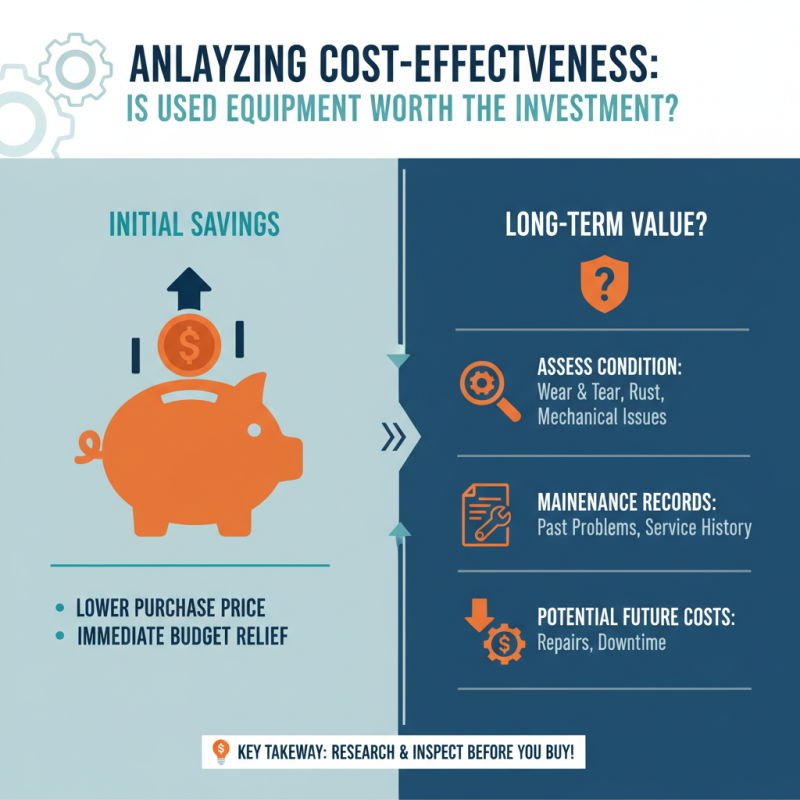
When considering used packaging equipment, the cost-effectiveness is a significant factor. Used equipment can save money initially, but does it hold up over time? Assessing the equipment's condition is essential. Look for signs of wear and tear. Check for rust or mechanical issues that could lead to further expenses. Always request maintenance records. They can provide insights into previous issues.

Tips for evaluating used equipment:
- Inspect the equipment thoroughly.
- Ask for warranties or guarantees when possible.
- Compare the potential costs over time including repairs and downtime.

Not all used equipment is reliable. Some may require upgrades that could negate initial savings. Understand the technology level of the machine. Older models may lack efficiency and functionality compared to newer ones. Researching industry standards for performance can help gauge if the investment is worth it.

Before committing, consult with industry experts. Getting opinions from knowledgeable sources can save you from costly mistakes. Sometimes, spending a bit more on a newer model may prove beneficial in the long run. The cheapest option may not always be the best choice. Evaluate all aspects of the investment before making a decision.

Exploring Industry Standards and Certifications for Used Packaging Equipment

How to Choose the Best Used Packaging Equipment for Your Needs?

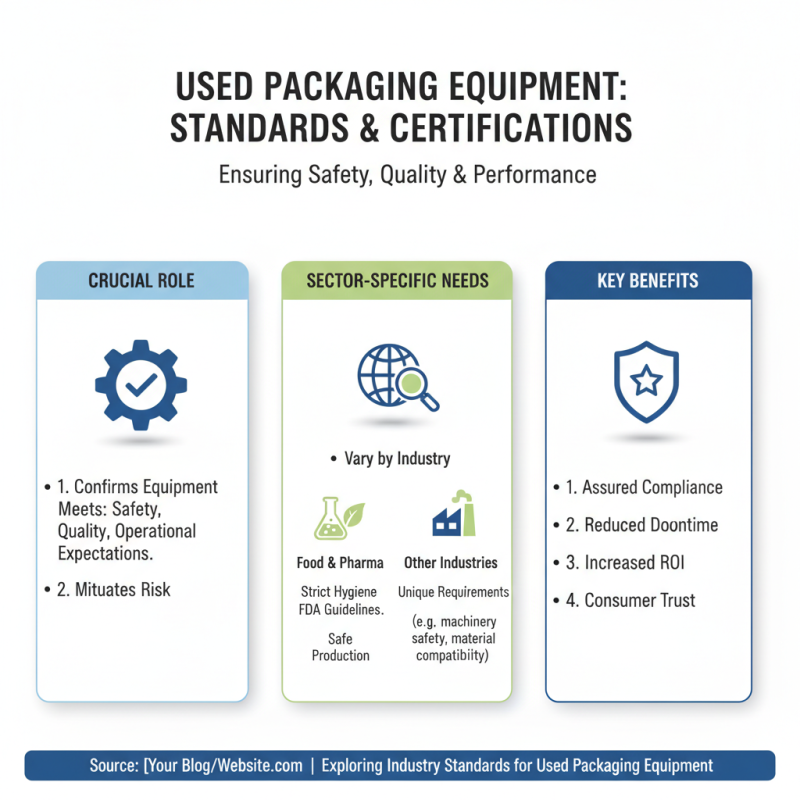
When evaluating used packaging equipment, industry standards and certifications play a crucial role. These benchmarks ensure that the equipment meets safety, quality, and operational expectations. Each sector has unique requirements, so understanding them is essential. For instance, the food and pharmaceutical industries demand strict hygiene standards. Equipment must comply with regulations like FDA guidelines, ensuring safety in production.

Certifications provide a layer of trust and reliability. Look for machines with ISO certifications or those that meet ANSI standards. These indicators signal that the equipment has undergone rigorous testing. However, not all certifications are equal. Some may be outdated or misrepresented. It’s vital to research and verify the authenticity of these claims before making a purchase. Inspect the equipment's performance history too, as some machines may not have maintained their standards over time.

Reflecting on equipment’s specific use is important. The right choice for one application may not fit another. Assessing the condition is also key. Worn parts can jeopardize safety and efficiency. A thorough inspection can reveal hidden issues. Consider the total cost of ownership, not just the initial investment. This perspective helps in understanding long-term reliability and performance.

Finding Reliable Suppliers: Tips for Sourcing Quality Used Packaging Machines

Finding reliable suppliers for used packaging machines requires careful consideration and due diligence. Conducting thorough research is essential. Industry reports indicate that 70% of companies cite quality assurance as their top priority when sourcing used equipment. Engaging with suppliers who have a strong reputation can mitigate risk. Look for those with experience in your specific industry sector.

Personal interactions can be invaluable. Visit trade shows and expos in your area. This offers the chance to assess equipment firsthand and meet potential suppliers. A physical inspection can prevent costly surprises later on. Industry insights suggest that around 50% of used packaging machines require repairs shortly after purchase. This highlights the importance of understanding the machine's history before making a commitment.

Leverage online platforms strategically. Sites that specialize in used machinery often feature customer reviews. However, verify the credibility of these reviews. Interactions with past buyers can offer authentic insights into the supplier's reliability and machine quality. Remember, transparency and communication are key to establishing trust. Always ask about warranties and service support, which are critical to your operational success in the long run.

Used Packaging Equipment Market Analysis