How to Choose the Right Bent-axis Motor for Your Project?
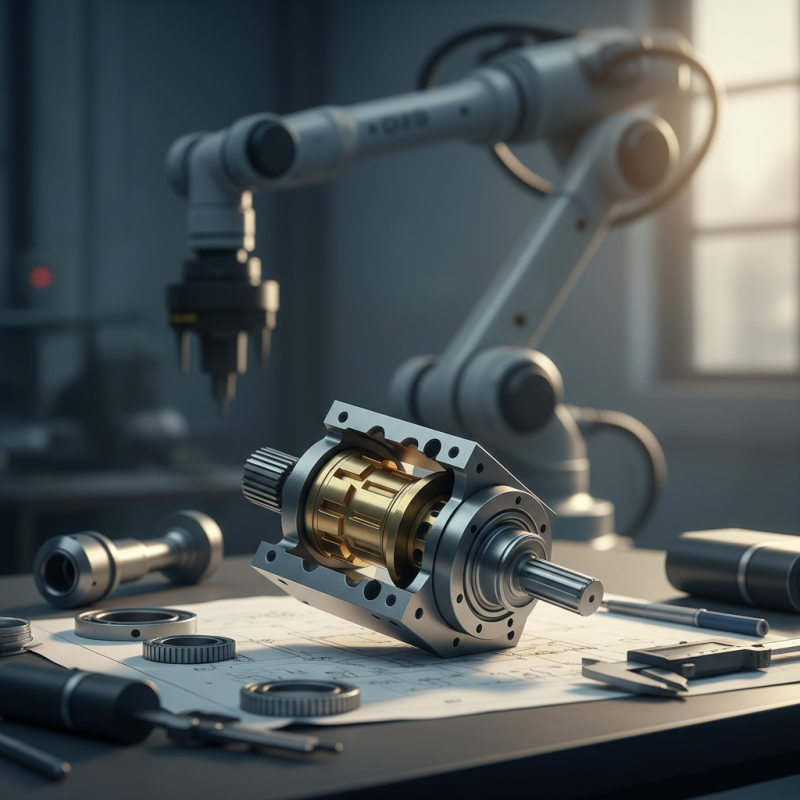
Choosing the right Bent-axis Motor can significantly impact your project's success. Bent-axis motors are essential for various applications, including robotics and industrial machinery. They provide high torque and efficiency, making them ideal for demanding tasks.
When selecting a bent-axis motor, consider factors like load requirements and speed. It's not just about power; precision is crucial. Sometimes, engineers overlook specific needs, leading to poor performance. Choosing a motor too big or too small can complicate operations.
Take time to evaluate your project's unique goals. Engage with suppliers for insights. Remember, there's no one-size-fits-all solution. Reflecting on past projects may help you avoid common pitfalls. A well-chosen bent-axis motor can enhance performance and prolong lifespan. Make the right decision for a successful outcome.
Understanding Bent-axis Motors and Their Applications
Bent-axis motors are specialized hydraulic motors designed for efficient operation in various applications. They work by utilizing the hydraulic pressure generated by fluid moving at a bent angle. This unique design provides high torque and compact size, making these motors suitable for mobile machinery, industrial equipment, and renewable energy systems. However, choosing the right motor requires understanding specific project needs.
In applications like heavy machinery, the right motor can enhance performance significantly. For instance, a bent-axis motor can provide smooth operation even under heavy loads. Details like displacement, pressure ratings, and mounting configurations are crucial. Not every project needs the highest torque. Sometimes, a smaller motor might be more effective for less demanding tasks. Be aware of the balance between size and power.
Moreover, potential pitfalls exist in selecting bent-axis motors. Overestimating needs can lead to wasted resources and inefficiency. Sometimes, relying on generic specifications may not align with real-world performance. Conducting thorough research and testing with prototypes gives greater insights. It's essential to reflect on your project’s unique demands instead of going with standard choices.
Key Factors to Consider When Choosing a Bent-axis Motor
Choosing the right bent-axis motor for your project involves several crucial factors. Understanding the specific requirements of your application is vital. You must consider the desired torque and speed. The motor's displacement is another significant aspect. Higher displacement usually means more power. However, it's essential to match this with your system's capabilities. Overestimating may lead to inefficiencies.
Tip: Assess your project's needs before making any purchases. Create a list of required specifications. This will help narrow down your options. Take your time to research available models and their performance data. Don't rush into a decision, as this could lead you to unsuitable choices.
Efficiency and operational reliability are key factors too. A bent-axis motor should operate well under different conditions. Look for motors with a robust design. They should withstand vibration and temperature changes. However, even reliable motors can have weaknesses. Reflect on past projects to identify any recurring issues.
Tip: Consult with experts in the field. Sometimes, a second opinion can provide new insights. Don't hesitate to ask questions. Engaging with others can often highlight concerns you didn't initially consider.
Comparing Different Types of Bent-axis Motors
Bent-axis motors are crucial in many applications, from robotics to industrial machinery. Their design offers unique advantages. However, it’s essential to compare the different types before making a choice. Each variant has specific features that may suit various project needs.
For instance, some bent-axis motors provide higher efficiency for low-speed operations. A study by the International Society of Automation indicated that these motors can achieve efficiencies exceeding 92% under specific conditions. This makes them ideal for applications requiring constant torque at low speeds. Conversely, other models excel in high-speed operations, making them suitable for applications like mobile equipment. They can operate smoothly even at speeds of 3,000 RPM or more, showcasing their versatility.
Performance parameters vary widely among types. Consider factors like displacement and pressure ratings. A hydraulic motor may offer 40-50% more displacement than others, which can significantly impact performance. Projects requiring precision should not overlook these details. It's easy to assume all motors perform similarly, but real-world results can differ. Each application must be assessed individually to select the right type, reflecting the complexities of actual performance metrics in varied environments.
Evaluating Performance Specifications for Your Project Needs
When evaluating performance specifications for a bent-axis motor, several key factors must be considered. The efficiency of the motor greatly impacts your project’s overall performance. Typically, bent-axis motors achieve efficiency rates between 85% and 95%. This range can lead to significant energy savings over time. However, these numbers are not always guaranteed; actual performance may vary based on the application and system design.
Another critical aspect is the pressure rating of the motor. Many bent-axis motors can handle pressures up to 450 bar. This capacity is essential for high-performance applications, but pushing the limits may reduce service life. A detailed analysis of expected operating conditions is crucial. Misjudging the pressure can result in mechanical failures or inefficient operation.
Torque output is also a fundamental consideration. Bent-axis motors provide a torque output largely influenced by their displacement. Motors with larger displacement numbers generate more torque, especially in demanding applications. Yet, larger displacements may not always be ideal due to trade-offs in speed and efficiency. Continuous monitoring and recalibration may be necessary as project requirements evolve, leading to potential complications and unexpected costs.
Installation and Maintenance Tips for Bent-axis Motors
When working with bent-axis motors, installation requires precision. The mounting orientation is crucial. Incorrect alignment can lead to performance issues. According to industry reports, a 15% misalignment can decrease efficiency by up to 30%. Therefore, ensuring proper leveling during installation is essential.
Regular maintenance is vital for optimal performance. Scheduled inspections can prevent unexpected failures. Technicians recommend checking oil levels and filter conditions regularly. Over 25% of motor failures stem from inadequate lubrication, highlighting the importance of this step. Furthermore, using contamination-free fluids can extend the motor's lifespan. Using a visual inspection checklist aids in identifying wear or leaks early, avoiding more significant issues.
Documentation is often overlooked. Keeping a log of maintenance actions helps in tracking performance trends. This approach can reveal recurring problems, which may indicate deeper issues. Simple adjustments might not suffice in all cases. Detailed records empower technicians to make informed decisions and anticipate future repairs. Balancing these aspects is vital for long-term reliability.