Bucket Elevator Tips for Efficient Material Handling?
Efficient material handling is crucial for industries utilizing a bucket elevator. This system plays a vital role in transporting bulk materials. Properly managing this equipment can lead to better productivity.
A bucket elevator can encounter various challenges. Common issues include jams, wear, and inconsistent flow of materials. Regular maintenance is essential for optimal performance. Operators must be trained to identify potential problems rapidly.
Reviewing these tips will enhance the effectiveness of your bucket elevator. Implementing them could require adjustments and reflections. Focus on improving your processes, and you might discover hidden efficiencies. Your approach may change how you handle materials. It’s time to rethink your bucket elevator strategies.
Understanding the Basics of Bucket Elevators in Material Handling
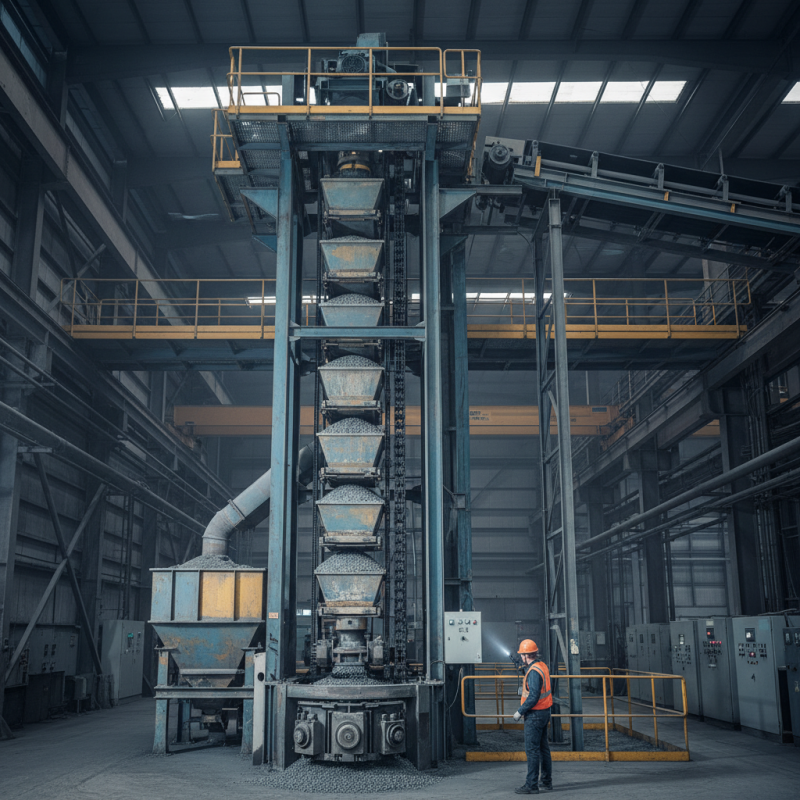
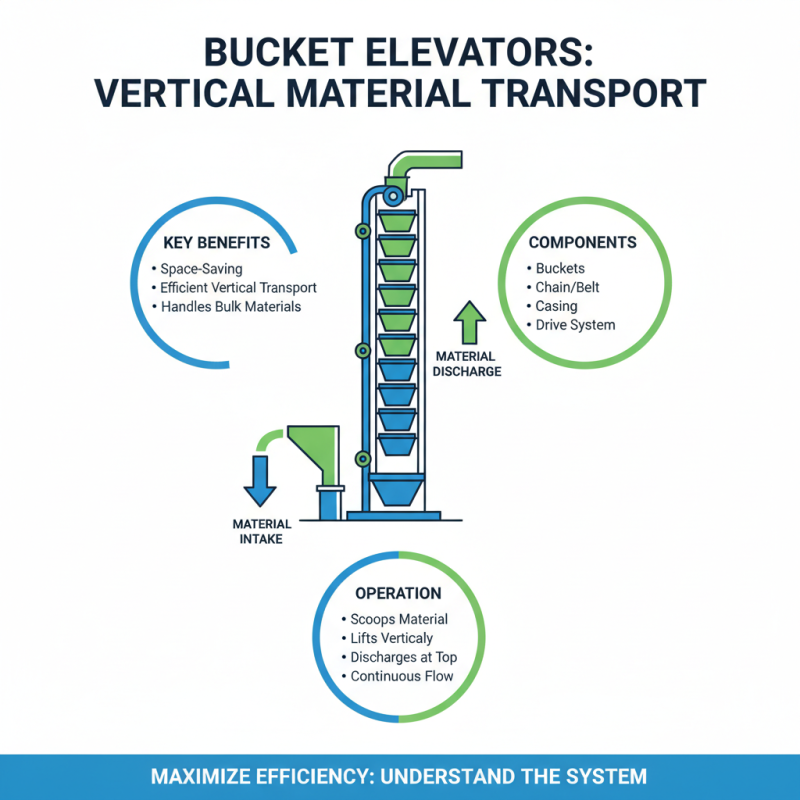
Bucket elevators are essential tools in material handling. They efficiently transport bulk materials vertically, which saves floor space. These systems consist of buckets attached to a chain or belt. Understanding their operation is crucial for maximizing efficiency.
Different materials require different bucket designs. Heavy products may need more robust buckets for support. Lighter materials might utilize smaller, more flexible buckets. This variation challenges operators to select the right options. Maintenance is another aspect to consider. Regular checks on the belt and buckets can prevent downtime and ensure smooth operation.
When installing a bucket elevator, it's vital to assess the proper height and angle. Miscalculations can cause inefficiencies, like material spills. Operators often face difficulties in understanding the flow rates and potential clogs. Balancing speed with the material type is crucial for optimal performance. Attention to detail in these areas can greatly enhance the system's functionality.
Key Factors Influencing Bucket Elevator Efficiency
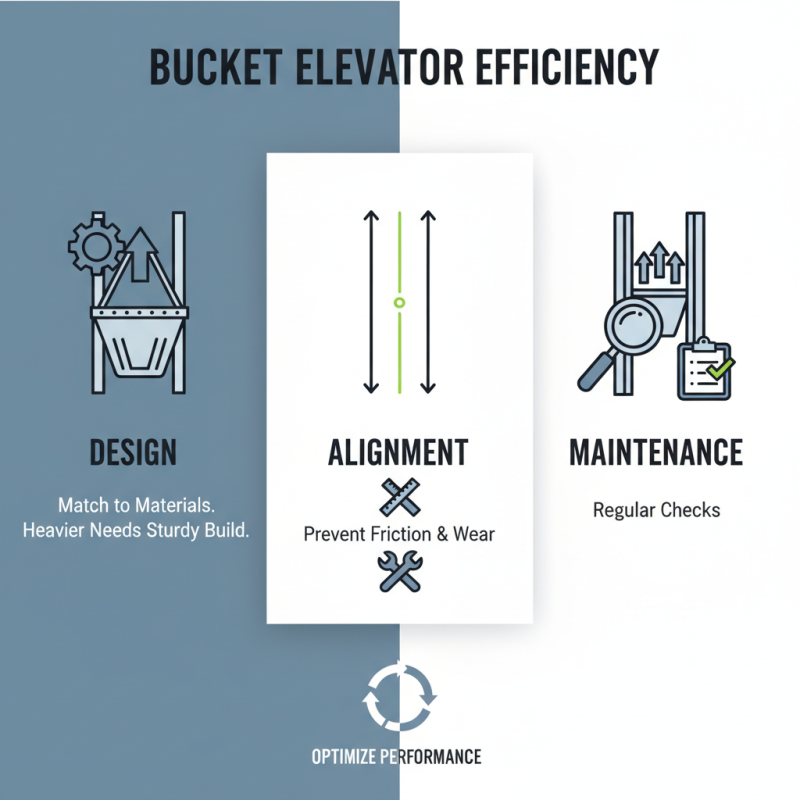
When considering bucket elevator efficiency, several key factors come into play. The design of the elevator is crucial. It should match the materials being handled. For instance, heavier materials may require a sturdier construction. Proper alignment is essential too. Misalignment can lead to friction and wear. Regular checks can help maintain efficiency.
Another factor is the speed of the elevator. Too fast can lead to spills, while too slow can affect throughput. Finding the right balance is important. Additionally, the type of buckets used can impact performance significantly. Shapes and sizes can optimize loading capacities. Choose buckets according to the material type for better outcomes.
Maintenance routines often get overlooked. A neglected elevator may face breakdowns. Simple tasks like lubrication and cleaning can enhance longevity. Operators should remain vigilant and proactive. Efficiency often wanes as components age; timely replacements can prevent this. Monitoring the system can reveal opportunities for improvement. Keep an eye on every detail, even the small ones.
Maintenance Tips for Optimizing Bucket Elevator Performance
Maintaining bucket elevators is crucial for efficient material handling. Regular inspections can identify wear and tear before they lead to failures. According to a report from the Material Handling Industry of America, improper maintenance can decrease equipment efficiency by up to 30%. Ignoring small issues may result in larger, costlier problems later on.
Lubrication is a key factor in optimizing elevator performance. Many operators neglect this vital step, leading to increased friction and reduced lifespan of components. A proactive approach to lubrication can enhance performance significantly. Bearings require regular checks; a lack of lubrication can lead to overheating. This could mean an unexpected shutdown and lost productivity.
Cleaning is often overlooked but essential. Dust and debris can accumulate, impacting airflow and system efficiency. A study by the Conveyor Equipment Manufacturers Association suggests that keeping the elevator clean can improve operational efficiency by as much as 15%. Not addressing this simple task may lead to reduced performance over time. The small details matter, and they should not be dismissed.
Best Practices for Loading and Unloading Materials Effectively
Loading and unloading materials with a bucket elevator can impact efficiency significantly. Effective practices will help streamline the process. One essential tip is to ensure the material flows smoothly. If it clumps or jams, it can slow everything down. Regular maintenance of the equipment is crucial. This includes checking for blockages and wear. Don't wait until the signs appear.
Another important aspect is to balance the weight in the buckets. Overloading can lead to spills and equipment damage. On the other hand, underloading wastes time and energy. It's a delicate balance that requires monitoring. Consider visual indicators for loading levels. They can prevent miscalculations.
Unloading should also be approached thoughtfully. Ensure the receiving area is prepared and organized. If materials pile up, it can lead to confusion. Lack of space can slow down the process. Train your team on the unloading procedures. A well-informed team works more efficiently. Addressing these details can make a significant difference in your operations.
Bucket Elevator Tips for Efficient Material Handling
| Tip |
Description |
Best Practices |
| Proper Loading |
Ensure materials are loaded evenly to prevent strain on the elevator. |
Use a loading chute to direct materials and maintain balance. |
| Regular Maintenance |
Conduct routine checks on belts, pulleys, and other components. |
Schedule maintenance during off-peak hours to minimize downtime. |
| Efficient Unloading |
Use appropriate unloading equipment to avoid damaging materials. |
Implement a quick release system for faster unloading times. |
| Monitor Material Flow |
Keep an eye on the speed and flow of materials to prevent blockages. |
Use sensors to automate flow control and provide alerts. |
| Training Operators |
Ensure operators are trained on proper handling techniques. |
Conduct regular training sessions and refreshers. |
Safety Considerations When Using Bucket Elevators
When using bucket elevators, safety must be a top priority. Proper installation is crucial. Ensure that all components are securely attached. This prevents any unexpected malfunctions. Regular maintenance checks can help identify potential issues. Inspect the belts, pulleys, and buckets for wear and tear regularly.
Operators must be trained adequately. Understanding the system can prevent accidents. They should know how to react in emergencies. Emergency stop buttons should be easily accessible. A clutter-free workspace around the elevator minimizes hazards too. Don't overlook the role of protective equipment. Wearing helmets and gloves can save lives.
In the event of material spills, clean them promptly. Slips can occur quickly, leading to injuries. Think about how employees interact with the machinery. Their safety should always come first. Even minor oversights can lead to serious consequences. Be mindful and proactive in creating a secure working environment.