What is a filling machine and how does it work?
A filling machine is a vital piece of equipment in many industries. It is essential for efficiently packaging liquids, powders, and pastes. Understanding how a filling machine works can help businesses enhance productivity and minimize waste.
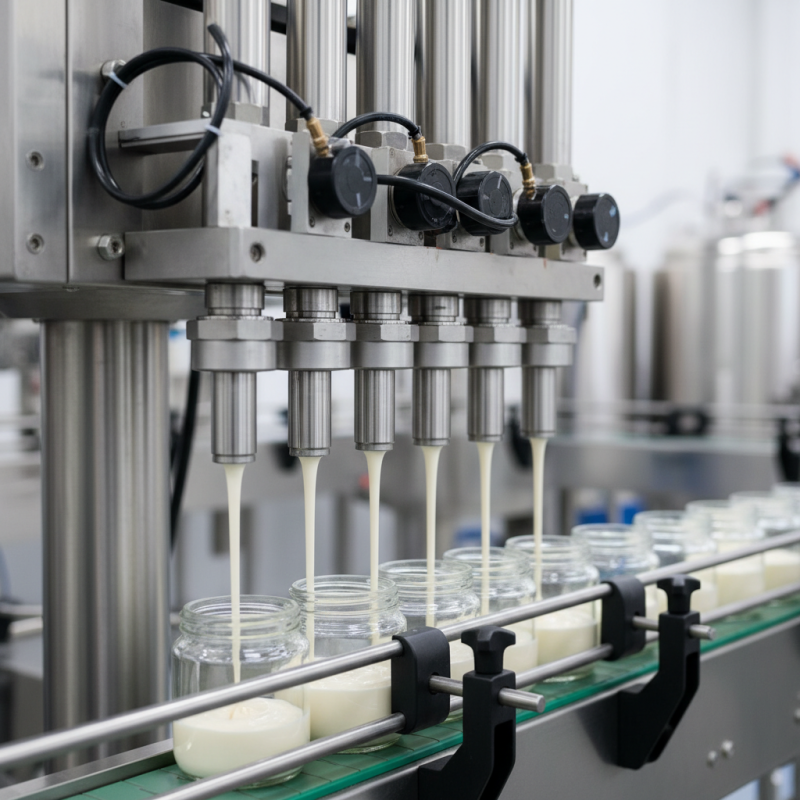
These machines operate by precisely dispensing a fixed volume of product into containers. Depending on the type, they can handle various substances, from thick creams to thin oils. A well-designed filling machine reduces the risk of spills, ensuring a clean production line.
Choosing the right filling machine involves considering multiple factors. Factors include product type, container size, and production speed. Each application may require a unique solution, which can lead to challenges. Inadequate machines may slow down production or lead to inconsistencies. Balancing efficiency and reliability is crucial for success in filling operations.
What is a Filling Machine? Definition and Overview of Functionality
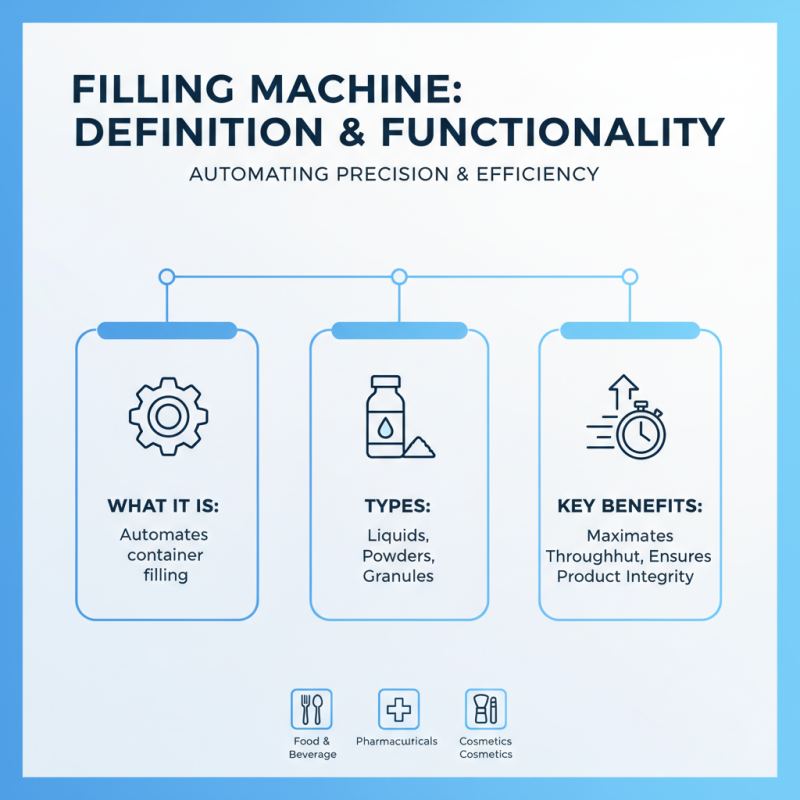
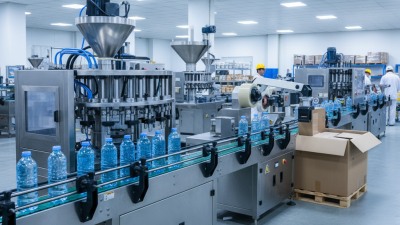
A filling machine is a vital component in various industries, especially in food and beverage, pharmaceuticals, and cosmetics. It automates the process of filling containers, ensuring precision and efficiency. These machines come in various types, each designed for specific products, such as liquids, powders, or granules. By using advanced technology, they maximize throughput while maintaining product integrity.
The functionality of a filling machine centers on its ability to dispense a predetermined amount of product into the chosen container. This often includes containers like bottles, jars, or bags. The machines utilize a series of sensors and controllers to ensure accuracy. Operators must regularly calibrate these machines to prevent overfilling or underfilling. It’s challenging to maintain consistent quality, as variations in product viscosity can lead to fluctuating fill levels.
Despite their advantages, filling machines can face operational challenges. Mechanical failures or programming errors can disrupt production. Regular maintenance is crucial to avoid unexpected downtime. Operators must also consider the machine's adaptability to different container shapes and sizes. As products evolve, machines need adjustments to keep up with changing demands. Balancing efficiency with flexibility requires ongoing attention and expertise.
Types of Filling Machines: A Comparative Analysis of Industry Options
Filling machines play a crucial role in various industries, from food and beverages to pharmaceuticals. These machines are designed to accurately fill containers with different substances. There are several types, each tailored for specific needs and materials.
One popular type is the gravity filling machine. It relies on gravity to control the flow of liquid into the containers. This method works well for less viscous liquids, ensuring quick and efficient filling. On the flip side, it may not be as precise for thicker substances.
Another common type is the piston filling machine. It uses a piston mechanism to measure and dispense products. This machine excels in filling thicker substances and offers greater precision. However, it can be slower than gravity systems. Each type has unique advantages and limitations.
Choosing the right filling machine depends on the product being filled and the production requirements. Understanding these differences can lead to better decisions in the manufacturing process.
Working Mechanism: Step-by-Step Process of Filling Operations
Filling machines are essential in various industries. They automate the process of transferring products into containers. Understanding how these machines operate helps optimize production. The filling operation usually involves several key steps.
Initially, the machine is set up based on the container type and the product's viscosity. For example, thicker liquids might require different equipment compared to thin liquids. Once the setup is complete, the containers are positioned on a conveyor belt. This positioning must be precise to avoid spills or overfilling, which can waste product and time.
Next, the filling process begins. The machine activates a pump or gravity system that delivers the product into the containers. Accuracy is crucial here to ensure each container receives the correct amount. Often, operators need to monitor this stage to ensure the flow is consistent. Any disruptions can lead to underfilling or overfilling, causing inefficiencies.
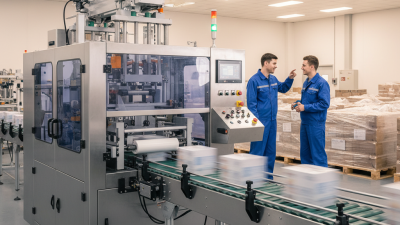
As containers are filled, they move to the capping or sealing station. Monitoring this area allows for quick adjustments if required. The entire process must be efficient, yet operators face challenges, such as machine malfunctions or product inconsistencies. Continuous training and routine maintenance of the filling machines are necessary to reduce these errors and improve reliability.
Applications of Filling Machines: Key Sectors and Market Data
Filling machines play a crucial role in various sectors, including food and beverage, pharmaceuticals, and household products. According to a recent market report, the global filling machine market is projected to reach $5.8 billion by 2026, growing at a CAGR of 5.2% from 2021. This growth reflects the increasing demand for automated solutions to enhance production efficiency and reduce errors.
In the food and beverage sector, filling machines are essential for packaging liquids, such as sauces, juices, and dairy products. They ensure precise measurements and maintain hygiene standards. The food industry accounted for over 40% of the filling machine market in 2022. In pharmaceuticals, liquid and powder filling machines are vital for ensuring dosage accuracy. The demand for automated filling solutions in healthcare has surged, especially amid the ongoing evolution in medication delivery systems.
As industries evolve, challenges remain. Many manufacturers face issues with machine calibration and maintenance. Inaccurate filling can lead to product waste and consumer dissatisfaction. Moreover, integrating new technologies into existing systems can be complex. Industry experts emphasize the need for better training and more adaptive machinery to meet changing market demands. These reflections highlight areas for continuous improvement in the filling machine sector.
Filling Machine Market Overview
Technological Advancements in Filling Machines: Trends and Innovations
Filling machines have evolved significantly over the years, driven by technological advancements. These machines now feature automation that enhances efficiency and precision. Innovations like smart sensors monitor fill levels, reducing waste and ensuring consistent product quality. This level of accuracy is crucial in industries such as food and beverage, pharmaceuticals, and chemicals.
One exciting trend is the integration of artificial intelligence. AI algorithms analyze data in real-time, optimizing the filling process. This not only improves productivity but also allows for quicker adaptation to changes in production volume. However, the reliance on technology raises concerns about stability. A machine failure could disrupt entire operations, highlighting the importance of regular maintenance and skilled personnel oversight.
Another aspect to consider is the sustainable packaging movement. Many filling machines are now designed to accommodate eco-friendly materials. Companies are under pressure to reduce their carbon footprint. While advancements in filling technology are promising, the industry must balance innovation with environmental responsibility. As these trends continue to unfold, ongoing assessment and refinement will be essential to meet both operational and sustainability goals.