How to Use Machine Vision Inspection for Quality Control?
Machine Vision Inspection plays a crucial role in modern quality control processes. According to a recent report by MarketsandMarkets, the machine vision market is expected to reach $11.3 billion by 2026. This growth highlights its increasing importance across various industries. An expert in the field, Dr. Emily Chen, stated, "Machine Vision Inspection transforms how we ensure product quality and consistency."
Incorporating Machine Vision Inspection can dramatically enhance accuracy and efficiency. For instance, automated systems can detect flaws that human eyes might miss, reducing errors and waste. However, it’s not without challenges. Sometimes, the technology can misidentify minor defects as critical flaws, leading to unnecessary rejections. There is a learning curve associated with integrating these systems, which can be daunting for many businesses.
As industries evolve, the demands on quality control are greater than ever. Companies must adapt to maintain competitive advantages. Continuous improvements in Machine Vision Inspection technology are vital. Yet, evaluating the costs and benefits remains an ongoing discussion in the sector. Overall, finding the right balance is essential for successful implementation.
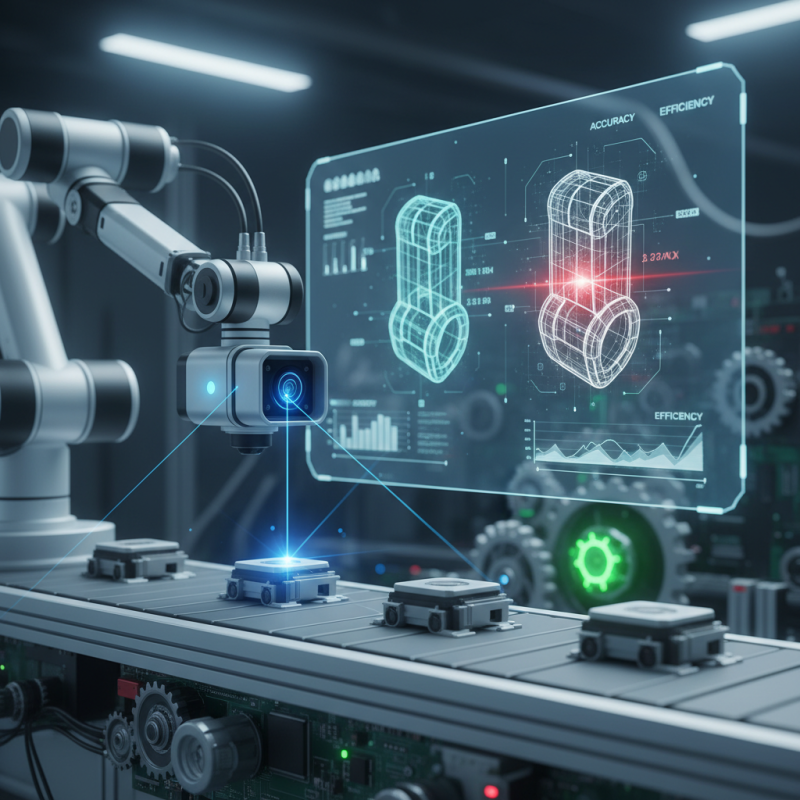
Understanding Machine Vision Inspection Technology
Machine vision inspection technology has transformed quality control in manufacturing. This technology uses sophisticated cameras and algorithms to evaluate products in real time. Studies show that over 80% of manufacturers have adopted some form of machine vision solution. These systems can detect defects that human eyes might miss. For instance, they can identify surface flaws smaller than a grain of sand.
However, implementing machine vision is not without challenges. Proper lighting and camera angles are crucial for effective inspection. A poorly set up system can lead to misdetections, affecting product quality. Additionally, integrating machine vision with existing processes may require significant investment and training. Reports suggest that 30% of companies face difficulties during the initial setup stage.
Despite potential obstacles, machine vision offers significant advantages. It improves consistency in quality control and speeds up the inspection process. A recent survey indicated that companies using machine vision could reduce inspection time by up to 50%. This allows for faster production cycles and higher throughput. Though not flawless, this technology can be a game-changer if applied correctly. Continuous evaluation of the system's effectiveness is essential for ongoing improvement.
Key Components of Machine Vision Systems for Quality Control
Machine vision systems are integral to improving quality control in manufacturing. These systems utilize cameras and advanced software for inspection tasks. The key components include cameras, lighting, and processing units. Cameras capture images of the products in real-time. The right camera ensures clear images, but poor lighting can obscure details. This limitation often leads to overlooked defects.
Lighting is crucial for machine vision. Various lighting techniques can enhance image quality. For example, backlighting is great for finding edges. However, shadows may still cause problems. It's a balance between brightness and clarity that requires constant tuning. Many operators underestimate this aspect, yet it can significantly affect inspection outcomes.
The processing unit analyzes captured images. It uses algorithms to identify defects and ensure quality meets standards. Sometimes, the software misinterprets images, resulting in false positives or negatives. Regular updates and calibrations can help. Still, human oversight is essential for complex items. Without it, machine vision systems may miss subtle flaws. Continuous learning and adjustment are critical in this evolving field.
How to Use Machine Vision Inspection for Quality Control?
| Component | Description | Functionality | Benefits |
| Camera | High-resolution imaging device | Captures images for analysis | Enables precise inspection |
| Lighting | Illumination system suitable for inspection | Enhances image visibility and contrast | Improves defect detection |
| Software | Algorithms for image processing | Analyzes captured images for quality assessment | Automates inspection processes |
| Frame Grabber | Hardware to capture video signals from cameras | Transfers images to the computer for processing | Ensures high-speed image capture |
| Processor | Computing unit executing inspection algorithms | Processes and analyzes data in real-time | Increases throughput and efficiency |
Step-by-Step Process for Implementing Machine Vision Inspection
Implementing machine vision inspection can significantly enhance quality control in manufacturing. Start by assessing your current production line. Identify critical control points where defects are likely to occur. According to a recent report, 70% of manufacturers have benefited from adopting machine vision systems for defect detection.
Next, consider the hardware and software requirements. Choose cameras that fit your inspection needs. High-resolution cameras capture finer details, which is crucial for accurate inspections. Software is essential for processing images and providing actionable data. Approximately 80% of quality control failures stem from inadequate software solutions. Testing different systems is recommended to find what works best for your specific application.
Training staff is another critical aspect. Employees should understand how to operate the machine vision system efficiently. Regular training updates are vital as technology evolves. Meanwhile, feedback loops should be established to continuously improve the system's performance. A report noted that 60% of inspection issues arose from operator errors, underscoring the need for proper training and ongoing assessment. This iterative process will ensure your machine vision inspection remains effective and adaptable.
Machine Vision Inspection Quality Control Metrics
Best Practices for Optimizing Machine Vision in Manufacturing
Machine vision inspection is crucial in modern manufacturing. Implementing best practices can significantly enhance quality control. According to a recent report by the Vision Systems Design, over 60% of manufacturers have adopted machine vision solutions. These solutions reduce errors and improve production efficiency. However, not all implementations succeed. Often, organizations overlook system integration and calibration, leading to inconsistent results.
To optimize machine vision, companies should focus on lighting conditions. Proper illumination reduces shadows and highlights defects. Studies show that more than 80% of vision system failures stem from poor lighting. Additionally, choosing the right camera resolution is vital. High-resolution cameras capture finer details but may require more processing power. Finding balance in cost and quality is essential.
Training staff is also key. Many operators lack knowledge about adjusting settings for different products. A lack of understanding can result in missed defects. Regular training sessions can improve inspection accuracy. Furthermore, having a feedback system allows teams to refine techniques over time. Though machine vision technology is powerful, its effectiveness relies heavily on human oversight and continuous improvement.
Common Challenges and Solutions in Machine Vision Inspection Setup
Machine vision inspection plays a crucial role in quality control across various industries. Despite its advantages, setting up a reliable machine vision system presents challenges. One major issue is lighting variability. Inconsistent lighting can lead to inaccurate inspections. Using controlled lighting sources is essential, yet this can be complex and costly. It’s important to test different lighting setups and adjust them to ensure uniformity.
Another common challenge is machine learning model training. Creating a robust model requires extensive and high-quality datasets. In many cases, obtaining labeled data becomes a bottleneck. Insufficient data can lead to misclassification. Investing in data collection methods is vital to enhance model performance. Moreover, engaging domain experts during the training phase could provide invaluable insights.
Calibration of the inspection system also needs careful attention. System misalignment can lead to faulty readings. Regular calibration checks should be scheduled to maintain accuracy. While automated systems are efficient, they require constant monitoring. Users must be prepared to troubleshoot issues that arise. Reflecting on these challenges allows for continuous improvements in the machine vision inspection process.