Buying material handling equipment across borders is not simply a price comparison. A pallet truck may look identical in photos, yet differ in load rating, battery performance, controls, and service support. Global buyers need evidence that fits the actual operation: pallet weights, aisle widths, floor conditions, shift patterns, climate, and operator training. A warehouse in Rotterdam may need a different configuration from a hot, dusty facility in Nairobi. Small details matter. Measure twice. Ask for rated capacity at the required lift height, not only the headline number. Request manuals, inspection records, warranty terms, and independent test documentation where appropriate. Reputable suppliers explain limitations clearly. That honesty often matters more than polished sales language.
This guide presents 10 practical tips for evaluating material handling equipment with fewer surprises after delivery. It considers selection, customization, energy use, maintenance, spare parts, installation, and supplier communication. Buyers should confirm applicable safety and electrical requirements in the destination market, using qualified local professionals when needed. Freight costs, packaging, duties, and downtime can change the real budget significantly. A cheaper machine may become expensive when a basic sensor takes six weeks to replace. Not every recommendation will suit every warehouse. Conditions change. Even experienced teams can overlook operator feedback or underestimate floor damage. Treat specifications as a starting point, then compare them with site observations, trial results, and written commitments. Reliable decisions come from documented evidence, practical testing, and a supplier willing to answer difficult questions.
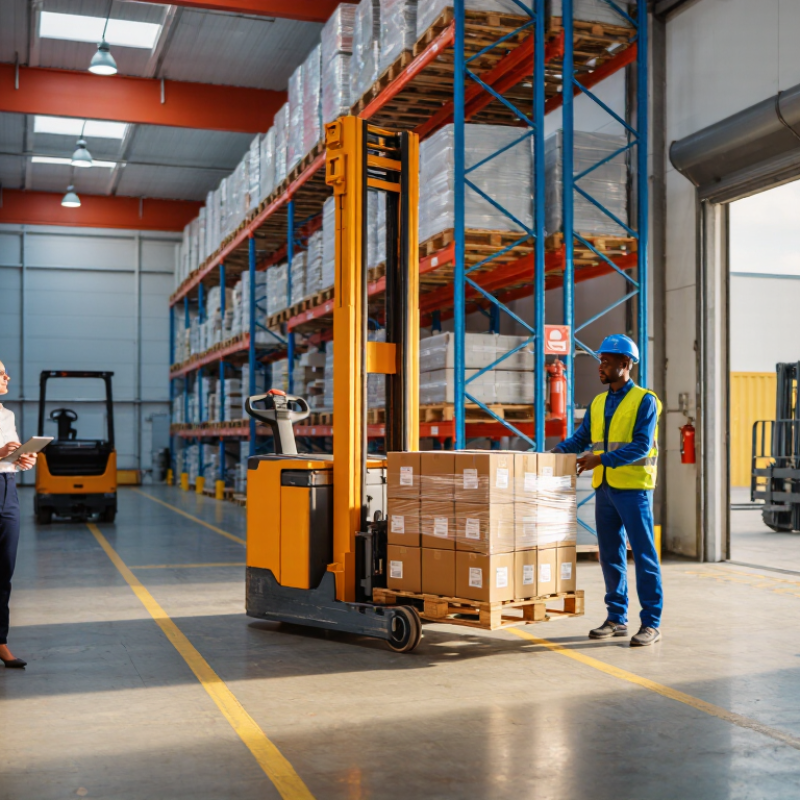
A reliable purchase starts with the worksite, not the equipment catalog. Measure load weights, pallet dimensions, aisle widths, floor strength, and daily operating hours. A 2,000-kilogram load may need different equipment in a humid port than in a dry warehouse.
Ask local operators what slows them down. Their answers often reveal bottlenecks missed by remote buyers. Check power voltage, plug standards, charging access, and fuel availability for each market. Small mismatches can stop an entire shift.
Plan for climate differences. Dust can damage moving parts, while heat can reduce battery performance. Cold storage may require specialized materials and safer handling procedures. Confirm that equipment complies with applicable regional safety requirements and inspection rules.
Keep it simple. Choose controls that workers can learn quickly. Provide manuals in the local language, using clear diagrams and practical warnings. Verify training quality instead of assuming online instructions are enough.
Inspect floor conditions before selecting wheels or lifting systems. Uneven concrete changes stability and maintenance needs. Allow space for turning, emergency access, and routine servicing.
Compare total ownership cost, not only the purchase price. Include spare parts, technician travel, energy use, downtime, and disposal requirements. Confirm parts availability before signing an order.
Use performance data from similar sites. Ask for service records and realistic capacity figures. Marketing claims can be optimistic. We have seen buyers overestimate throughput because they measured ideal cycles, not crowded working conditions.
Pilot testing is worth the inconvenience. Run the equipment through a normal shift with local staff. Record noise, fatigue, charging delays, and handling errors. The first plan may be wrong. That is useful to discover early.
10 Material Handling Equipment Tips for Global Buyers
Compare Equipment Types and Operating Conditions
Selecting material handling equipment starts with the working environment, not the catalogue. Forklifts suit heavier loads and outdoor yards. Pallet trucks work better for short warehouse movements. Stackers support narrow aisles and moderate lifting heights. Conveyors handle steady routes, but they offer less flexibility. Cranes serve fixed lifting zones, especially where floor space is limited. Match each machine to load weight, dimensions, travel distance, and lifting frequency.
Operating conditions can change the decision quickly. Check floor strength, ramp angles, aisle width, dust, humidity, and temperature. Cold storage may reduce battery performance. Uneven yards demand larger tires and stronger suspension. High-cycle operations require dependable charging or refueling plans. Measure the actual load center, not only the stated capacity. Small errors here can create large safety risks.
Global buyers should also compare voltage requirements, operator visibility, service access, and spare-part availability. Request independent load charts, noise data, energy figures, and maintenance schedules. Ask suppliers to demonstrate performance under realistic conditions. A machine that performs well indoors may struggle in rain or heat. The lowest purchase price can become expensive through downtime. I have seen buyers underestimate turning space and regret it later. The comparison process is rarely perfect. Recheck assumptions with operators, technicians, and site measurements before ordering.
10 Material Handling Equipment Tips for Global Buyers
Verify safety standards, certifications, and compliance before comparing price or delivery time. Requirements vary by destination. ISO 3691-4 addresses driverless industrial trucks, while ANSI/ITSDF B56.1 covers powered industrial trucks in North America. European buyers may require CE conformity under applicable machinery rules. A certificate alone is not enough. Check its issuing body, scope, expiry date, tested model, and serial-number range.
Tip: Request the full technical file, not only a logo or declaration. Confirm load charts, emergency-stop tests, guarding, battery protection, and noise data. Match every document with the exact configuration ordered. One overlooked attachment can create a serious inspection problem. OSHA estimates that forklifts cause about 85 workplace fatalities and 34,900 serious injuries annually in the United States. The ILO also reported 2.93 million work-related deaths worldwide in 2019, showing why paperwork must connect with real workplace controls.
Tip: Ask for independent test evidence and a factory inspection record. Verify operator training requirements, maintenance intervals, warning labels, and local-language manuals. Check whether local authorities accept the stated certification. Imported equipment may pass a supplier’s internal review yet fail site approval. That is an uncomfortable possibility, but buyers should plan for it. Keep photographs, serial numbers, inspection dates, and corrective actions in one traceable file. Recheck compliance after software, capacity, attachment, or control-system changes.
OSHA estimates that powered industrial trucks are associated with approximately 85 fatalities, 35,000 serious injuries, and 62,000 non-serious injuries in the United States each year. Global buyers should verify applicable regulations, risk assessments, operator training, inspection records, load capacity, emergency controls, guarding, maintenance procedures, conformity documentation, and certification validity before purchase.
Source: U.S. Occupational Safety and Health Administration, Powered Industrial Trucks safety information. Figures are U.S. annual estimates and are not global market statistics.
Global buyers should evaluate material handling suppliers beyond purchase price. MHI’s 2024 Annual Industry Report found that 83% of supply chain professionals plan to increase technology and innovation use. This signals stronger demand for reliable, connected equipment. Ask suppliers for factory audit records, load-test results, operator training plans, and references from similar facilities. Verify regional certifications, voltage requirements, spare-part availability, and installation capability before signing.
Total cost includes freight, duties, commissioning, energy, maintenance, downtime, batteries, and eventual disposal. Request a five-year cost model with clear assumptions. Compare warranty coverage, preventive-maintenance intervals, technician response times, and spare-part fill rates. Ask whether remote diagnostics are included. Small exclusions can become expensive.
The U.S. Department of Energy’s industrial efficiency guidance consistently emphasizes measuring energy use, not guessing it; buyers should request operating data under realistic duty cycles. MHI also reports that supply-chain investment priorities are shifting toward technology, so data access matters. A supplier that cannot explain its service metrics deserves further review. An impressive demonstration is not enough. We once treated fast delivery as the key advantage, yet delayed parts created more disruption than the original lead time saved. Local service capacity, documented escalation procedures, and practical operator training often protect productivity better than a lower quotation. Pricing is only the opening figure.
Global buyers should plan shipping before selecting material handling equipment. Confirm the packed dimensions, gross weight, lifting points, and container requirements with the supplier. Check destination voltage, plug types, floor capacity, door widths, and available unloading equipment. Small errors can delay a shipment for weeks.
Installation needs more than a delivery date. Request clear assembly drawings, foundation requirements, wiring details, and commissioning procedures. A qualified local technician should inspect alignment, guards, emergency stops, and load performance. We once saw a project delayed because the installation area was measured before final packaging details arrived. That mistake was avoidable. Leave space for maintenance access, not only operation.
Training should include operators, supervisors, and maintenance staff. Use practical demonstrations with real loads, daily inspection sheets, and emergency response drills. Translated instructions help, but local trainers should confirm understanding through hands-on practice. Keep attendance records and update training after equipment changes.
Long-term maintenance depends on simple routines. Schedule lubrication, belt or chain checks, sensor tests, and safety inspections. Store critical spare parts in dry, labeled cabinets, and record every repair with dates and operating hours. Remote support can help, but it cannot replace a local response plan.
Review the first six months honestly. Some schedules may prove too optimistic. Adjust them using inspection data, downtime records, and operator feedback.