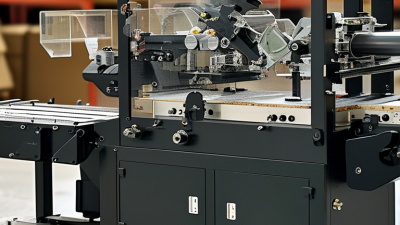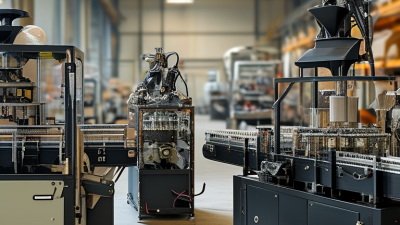
7 Tips for Choosing an Industrial Packing Machine

Choosing an industrial packing machine can shape production quality, labor efficiency, and customer satisfaction. It is not simply a matter of buying the fastest equipment. A machine must fit your product, packaging material, factory layout, and daily output. A fragile pouch, dusty powder, or irregular carton can expose weaknesses quickly.

Jorge Izquierdo, a packaging automation expert at PMMI, has said, “The key is to understand the process before selecting the technology.” That principle guides the seven tips in this article. We will examine filling accuracy, sealing performance, speed, changeover time, machine durability, operator safety, and after-sales support. Each detail matters. A ten-minute adjustment may seem minor, but repeated adjustments can consume hours every week. Watch the machine run.

The best industrial packing machine is not always the largest or most automated model. A compact system may serve a growing factory better than an expensive line with unused capacity. Check real samples, test different materials, and ask suppliers for measurable results. Look closely at cleaning access, sensor placement, control-panel clarity, and spare-part availability. These practical details often matter more than impressive brochures.

Some assumptions may prove wrong. Higher speed can reduce consistency. Lower price can create maintenance costs. Even experienced buyers can overlook future product changes. Therefore, selection should involve operators, maintenance technicians, and production managers. Their experience reveals problems that specifications may hide. A careful decision today can prevent damaged packs, long stoppages, and difficult upgrades later.
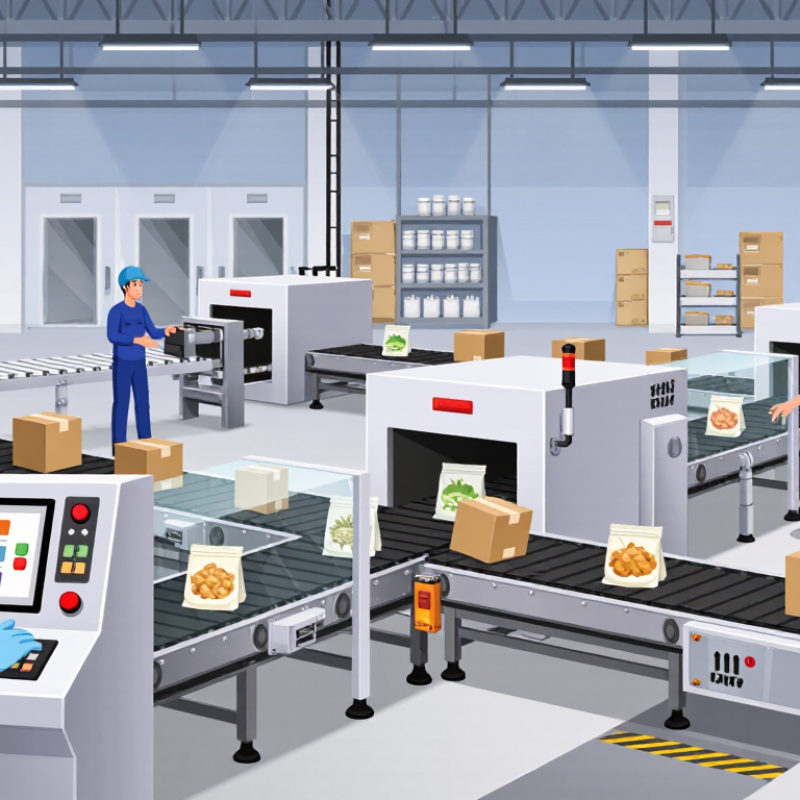
7 Tips for Choosing an Industrial Packing Machine

Define the Product, Package, and Production Requirements

Start with the product. Record its dimensions, weight, texture, and temperature at packing. A sticky snack may cling to a chute, while fine powder can create dust around seals. Small details matter. Note whether the product is fragile, irregular, or prone to settling. These traits affect feeding, filling accuracy, and the machine’s contact surfaces.

Then define the package. Specify its material, shape, opening style, and target fill size. A test with the actual film or container can reveal wrinkles, weak seals, or awkward handling before purchase. Be precise, but leave room for learning; early estimates of product flow are often wrong. Production needs matter just as much. Set a realistic sustained rate, not only a supplier’s peak speed. For example, compare the required packs per minute with actual shift length, changeovers, cleaning time, and operator availability. Check floor space and utilities too, including power and compressed air. If the line must handle several package sizes, record how often formats change and how much adjustment time is acceptable. These requirements help distinguish a suitable machine from one that merely looks fast on paper.

Match the Machine Type to the Packaging Process

Tip: Match the machine to the package format and product flow. A vertical form-fill-seal machine can suit free-flowing grains or powders packed from a film roll. For fragile bars or flat items, a horizontal flow wrapper may handle feeding and sealing more gently. The product matters. So does the package.

Tip: Check how the product reaches the machine. Powders may need an auger filler, while uneven pieces often work better with a multihead scale. A pre-made pouch filler can fit operations that already buy formed bags. Compare the machine’s speed with the line’s real pace, not just its advertised output. Small feeding delays add up.

Tip: Test with your own product and packaging material before choosing. Bring the actual film, pouch, or carton, and watch for jams, seal wrinkles, dust, and awkward changeovers. Ask operators to try routine adjustments. Their feedback can expose practical problems that a specification sheet misses. I’ve seen a fast machine become a poor fit when cleaning took too long. That part is easy to underestimate.

Evaluate Speed, Accuracy, Capacity, and Material Compatibility

7 Tips for Choosing an Industrial Packing Machine

Speed looks impressive on paper, but real production often tells a different story. Check the machine’s tested output, not only its advertised maximum. A short trial with your actual product can reveal pauses, jams, and slow changeovers. Record packages per minute during normal operation. That number matters more.

Accuracy protects both margins and customer trust. Ask how the system controls weight, volume, or filling length. Small errors become expensive across thousands of packs. Test light, dense, and irregular products separately. Calibration should be simple and repeatable. I have seen operators accept unstable results because the average weight looked acceptable. That decision deserves reconsideration.

Capacity must match your daily workload, storage space, and future growth. A large hopper may reduce refilling, but it can increase cleaning time and product waste. Examine feeding speed, sealing strength, and the size range of compatible packages. Material compatibility is equally important. Film, paper, foil, and laminated materials may require different temperatures and sealing pressure. Powder can behave unlike granules. Moist products can create residue around the sealing area. Request sample testing before purchase, and inspect finished packs after cooling. Look for weak seals, wrinkles, leakage, or distorted edges. Keep test records, including temperature, speed, material type, and product weight. Equipment selection is rarely perfect on the first attempt. A careful trial prevents expensive surprises.

7 Tips for Choosing an Industrial Packing Machine - Evaluate Speed, Accuracy, Capacity, and Material Compatibility

Evaluation Area What to Check How to Evaluate Why It Matters
1. Line speed Rated packs per minute, and the expected operating speed for your product, pack size, and packaging material. Request a product trial and record sustained output, including stops, changeovers, and rejects—not just the machine’s maximum rated speed. Actual production depends on the complete line and operating conditions. A fast machine may not improve output if another process is the bottleneck.
2. Filling or dosing accuracy The required target quantity and permitted variation for each pack, considering the product’s flow and consistency. Run repeated test fills with your actual product; weigh or measure samples and review variation across the run. Product characteristics and dosing method affect accuracy. Confirm performance against your own product specification rather than relying only on a general claim.
3. Capacity and feed supply Required output per shift, hopper or tank capacity, replenishment frequency, and compatibility with upstream and downstream equipment. Estimate demand from target packs per minute and scheduled production time; check whether the feeder, filler, sealer, and conveying equipment can keep pace. A suitable machine must meet production demand without frequent feed interruptions or creating a bottleneck elsewhere in the line.
4. Packaging-material compatibility Material type, thickness, roll or bag dimensions, sealing requirements, and sensitivity to heat, moisture, or product contact. Test the exact packaging material and intended pack format. Inspect seal quality, feeding, registration, and any damage or slippage. Different films, laminates, papers, and pre-made bags can require different feeding and sealing settings or machine configurations.
5. Product and pack-format fit Product form—such as powder, granules, liquid, or solid—and the required bag, pouch, bottle, carton, or other pack dimensions. Confirm the machine’s operating range for product characteristics, fill volume or weight, and every planned pack size and format. A dosing or forming system designed for one product type may not handle another reliably without suitable tooling or configuration.
6. Changeover and cleaning Time and tools needed to change formats, adjust settings, access product-contact parts, and clean the machine. Ask operators to perform a representative changeover and cleaning procedure; verify access, instructions, and any parts that must be removed. Frequent product or pack changes can reduce available production time. Cleaning needs also depend on the product and applicable facility procedures.
7. Reliability, support, and installation Maintenance access, spare-parts availability, operator training, service response, utility requirements, and floor-space needs. Review maintenance documentation, confirm local service arrangements, and compare the machine layout and utility requirements with your site. Uptime depends on more than rated performance. Practical maintenance and installation planning can help avoid preventable delays.

Check Automation, Integration, Safety, and Compliance Features

Automation should fit the whole line, not just the machine. Check whether controls can exchange signals with upstream conveyors, checkweighers, and downstream case handling. Ask for a live test using your actual product and target speed. The International Federation of Robotics reported 541,302 industrial robot installations worldwide in 2023; this covers all industries, not packaging alone. It still shows why automation compatibility deserves close attention.

Integration can look simple in a sales drawing. On the factory floor, mismatched data fields or delayed stop signals can cause jams and lost production. Confirm supported communication protocols, recipe changes, fault logs, and access to operating data. Small details matter. Have technicians test changeovers, alarms, and recovery after a controlled stop before acceptance.

Safety and compliance need the same scrutiny as output rates. Inspect guards, interlocks, emergency stops, and safe access for clearing jams. Ask for a documented risk assessment and relevant technical files. Depending on the machine and market, standards such as ISO 12100 and ISO 13849-1 may apply; verify requirements with a qualified safety professional. Check electrical protection, cleaning needs, and operator training too. A checklist can miss awkward reach points, so observe real operators during a trial.

Compare Total Ownership Costs, Maintenance, and Supplier Support

7 Tips for Choosing an Industrial Packing Machine

Compare Total Ownership Costs, Maintenance, and Supplier Support

Tip 1: Calculate the full ownership cost, not only the purchase price.

Include installation, training, electricity, spare parts, labor, and expected downtime. A cheaper machine may become expensive after three years.

Tip 2: Review maintenance access before approving the design.

Ask how quickly operators can reach sealing bars, sensors, belts, and cutting components. During a factory trial, inspect these areas with the machine stopped. Small delays become costly during repeated production shifts.

Tip 3: Request clear service terms from the supplier.

Confirm response times, remote support, technician availability, and spare-part delivery. Reliable support should be written into the agreement, not left to friendly promises. Ask for service records from similar installations, when available.

Tip 4: Compare energy use under real operating conditions.

A machine running empty may show attractive figures. Your assessment should use actual product sizes, film materials, speeds, and shift patterns.

Tip 5: Test changeover time with your operators.

A machine may perform well with one package but struggle with frequent format changes. Measure the minutes required, then calculate the lost production value.

Tip 6: Examine training quality.

Practical instruction should cover adjustments, cleaning, fault diagnosis, and safe isolation procedures. Brief demonstrations are rarely enough.

Tip 7: Leave room for doubt.

Forecasts can be wrong. Build a maintenance reserve and a realistic downtime allowance into your financial model. Supplier support matters most when the plan fails.