Top 10 Bottle Filling Machines for Efficient Production?
In today’s fast-paced production environment, efficiency is crucial. A bottle filling machine plays a key role in achieving this. Selecting the right machine can significantly enhance workflow. This decision impacts both productivity and product quality, making it a vital consideration.
Various models on the market offer unique features. Some machines focus on speed, while others emphasize accuracy. For example, rotary filling systems can handle high volumes, but they may lack flexibility for different bottle types. Smaller scale operations might prefer semi-automated options for ease of use.
Assessing your production needs is important. Not all bottle filling machines are created equal. Compatibility with your current setup is essential. Choosing the wrong machine can lead to costly mistakes. A well-informed choice can result in better efficiency and long-term savings.
Top Features to Look for in Bottle Filling Machines
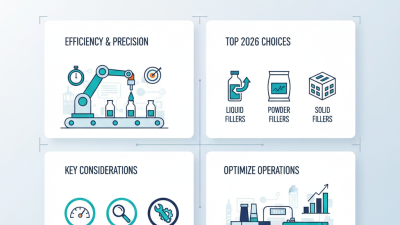
When selecting bottle filling machines, consider efficiency and precision. Look for machines that offer adjustable filling volumes. This feature caters to various bottle sizes, ensuring your production line is versatile. A machine with automatic nozzles can reduce spillage, enhancing the clean-up process significantly. This not only saves time but also maintains workplace safety.
Speed is another critical aspect. Machines that can handle multiple bottles simultaneously boost productivity. However, it is essential to balance speed with reliability. Rapid filling can sometimes lead to inaccuracies. A machine with built-in quality control can help identify these issues before they become costly. Regular maintenance capabilities also contribute to prolonged machine life and stable performance.
Different filling methods exist: gravity, pressure, and vacuum. Understanding each method's nuances allows for better decision-making. For instance, vacuum filling is ideal for foamy liquids, while gravity filling suits thicker substances. Assess the type of products you manufacture to choose appropriately. Some machines may require operator training, which could lead to temporary inefficiencies. Always weigh the benefits against initial costs and time investments.
Analysis of Different Filling Technologies: Gravity vs. Vacuum vs. Piston
Filling technologies play a crucial role in production efficiency. Each method offers distinct advantages. Gravity filling is commonly employed for liquids of medium to high viscosity. It operates by using gravity to transfer liquid from the reservoir to the bottle. This method is simple and cost-effective, making it a popular choice for smaller-scale operations. However, it may be less accurate for very precise needs and could pose challenges with foamy liquids.
Vacuum filling, on the other hand, excels in handling sensitive or foamy liquids. The technology creates a vacuum that draws liquid into the bottle. This minimizes air exposure, preserving product quality. It typically requires more complex machinery, which could increase initial investment. Still, it ensures better precision and less spillage.
Piston filling machines utilize a piston to draw and dispense liquid. They are highly versatile, accommodating a wide range of viscosities from water to thick sauces. This technology enables high accuracy, but maintenance can be a concern due to the mechanical parts involved. Companies must regularly assess the efficiency of their filling systems, weighing the pros and cons carefully.
Top 10 Bottle Filling Machines for Efficient Production
| Filling Technology |
Filling Speed (bottles/min) |
Accuracy (%) |
Ideal Liquid Types |
Price Range (USD) |
| Gravity Filling |
30-100 |
±1% |
Water, Juice, Paint |
$5,000 - $15,000 |
| Vacuum Filling |
40-120 |
±0.5% |
Sauces, Oils, Syrups |
$10,000 - $25,000 |
| Piston Filling |
20-80 |
±1% |
Thick Pastes, Creams, Foams |
$8,000 - $20,000 |
| Overflow Filling |
50-150 |
±0.3% |
Carbonated Beverages |
$15,000 - $35,000 |
| Reciprocating Filling |
25-90 |
±0.5% |
Viscous Liquids |
$12,000 - $30,000 |
Evaluation of Production Speed: What to Expect from Top Models
In the competitive world of manufacturing, the efficiency of production lines is crucial. Bottle filling machines play a vital role in this regard. According to industry reports, machines can fill bottles at speeds ranging from 30 to 300 bottles per minute. This variation often depends on the machine type and the product being bottled. Automated models are generally faster, requiring less manual oversight, while semi-automated options allow for more flexibility in handling different bottle sizes.
Evaluating production speed is essential when choosing a machine. Models that reach higher speeds typically do so by utilizing advanced technologies such as sensors and precise timing mechanisms. For instance, reports indicate that modern filling machines can reduce the time spent on bottle handling and filling by up to 50%. However, achieving high speeds can sometimes compromise accuracy. Manufacturers need to balance speed with the potential for spillage or misalignment, which can lead to wasted materials and increased costs.
Understanding production needs is vital. Companies should assess their output goals regularly. A machine that performs well may still fall short if it does not fit the unique requirements of a production line. Careful analysis of machine features and actual performance data can help ensure that the chosen model delivers not just speed, but also reliability and efficiency. Continuous improvement should be the aim for manufacturers seeking to enhance their production capabilities.
Cost-Effectiveness and ROI of Automated Bottle Filling Equipment
Investing in automated bottle filling equipment can be a game changer for production efficiency. These machines significantly reduce labor costs. They streamline operations and minimize human error. A well-chosen filling machine can enhance speed and accuracy, boosting overall productivity. Businesses report increases in output as automation replaces slow, manual processes.
Cost-effectiveness is a crucial factor in the ROI of these machines. Initial investments may seem high, but benefits manifest quickly. Reduced labor costs and increased output create a ripple effect that can lead to higher profit margins. Maintenance costs can also affect ROI, so it’s wise to choose equipment known for reliability. Regular upkeep is essential to ensure longevity and optimal performance.
However, not every operation will see immediate returns. Some businesses experience a learning curve as employees adapt to new technologies. This transition period may cause temporary disruptions. It’s important to track performance data meticulously during this phase. Gathering insights allows for adjustments and maximizes the benefits of automation. Careful analysis will help determine if an automated solution fits well with production goals.
Top 10 Bottle Filling Machines - Cost-Effectiveness and ROI
Maintenance and Support: Essential Services for Optimal Performance
Maintenance and support are vital for the optimal performance of bottle filling machines. Regular maintenance can prevent unexpected breakdowns. This leads to reduced downtime and increased productivity. Routine checks ensure that all components are functioning correctly. Technicians should inspect pumps, nozzles, and control systems to keep machines running smoothly. Neglecting these aspects may result in more severe problems later.
Providing thorough training for operators also enhances machine performance. A well-trained team can quickly identify issues. They can perform minor repairs or adjustments without waiting for external help. However, some operators may overlook basic maintenance practices. This often leads to inefficiencies and higher operational costs. Regular training sessions can help instill a culture of vigilance and care.
Support services play a crucial role too. Access to expert advice can buffer your production line against unexpected challenges. Sometimes, a small issue can escalate into a significant setback. Having a reliable support network can alleviate these risks. It's essential to have a strategy for addressing potential issues before they become major problems. Balancing maintenance with proactive support ensures that production remains efficient and reliable.