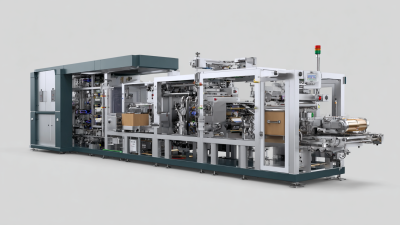
Top Packaging Equipment Innovations in 2026 Are You Keeping Up?
In the dynamic world of packaging equipment, staying updated is crucial. The innovations emerging in 2026 promise to transform how companies operate. New technologies enhance efficiency, reduce waste, and improve product safety. However, not every organization has kept pace with these changes.
Understanding the latest developments in packaging equipment can set businesses apart. These advancements often require investment but can yield significant returns. For instance, automation is a game-changer, minimizing labor costs and improving precision. Yet, not all companies fully embrace automation. The hesitation could stem from concerns about cost or complexity.
Ignoring these innovations might lead to missed opportunities. Competitors who adapt quickly will likely thrive. The packaging landscape is rapidly evolving. Companies must assess their current equipment and consider upgrades. Are you ready to embrace the future, or will you fall behind? The choice is yours.
Emerging Trends in Packaging Equipment for 2026
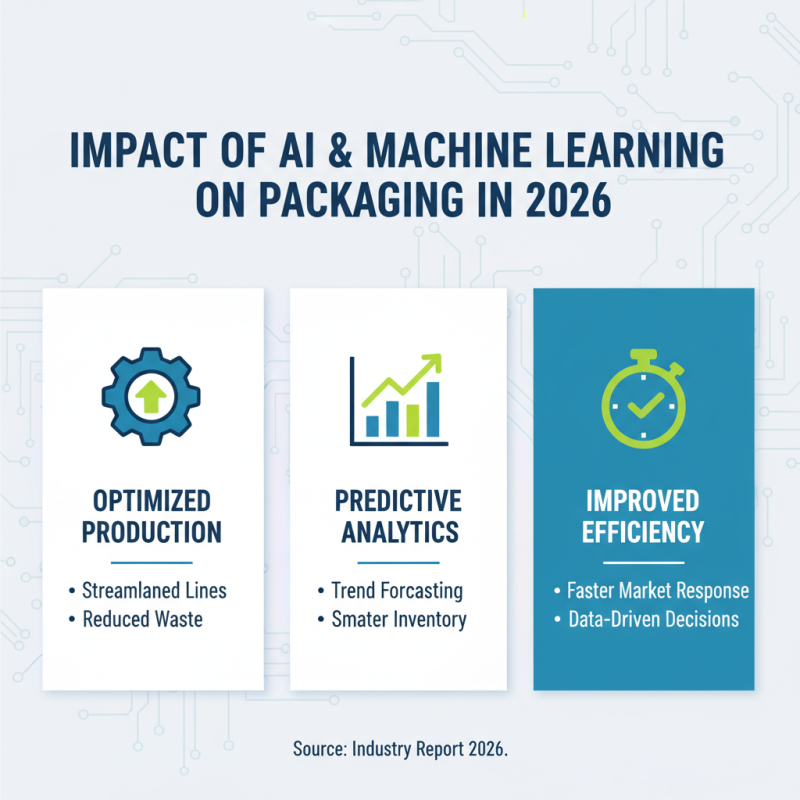
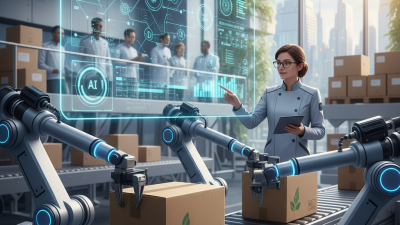
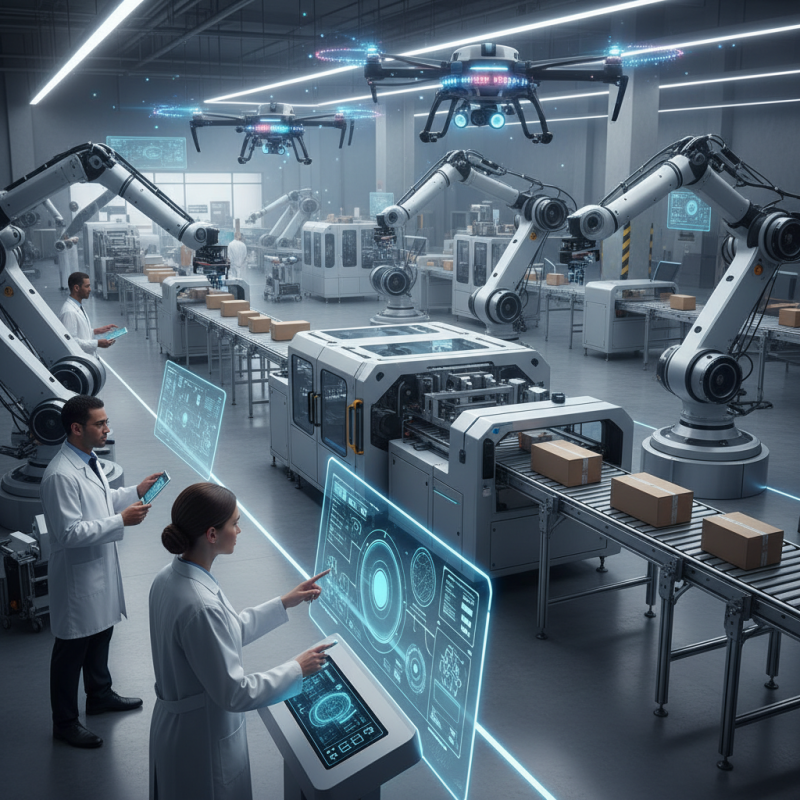
In 2026, packaging equipment is evolving rapidly. Cutting-edge technologies are reshaping the industry. Automation is at the forefront, streamlining production lines. Robotics simplifies handling tasks, enhancing efficiency. Smart sensors monitor quality in real-time. This ensures products meet high standards.
Sustainability is another major trend. Eco-friendly materials are gaining interest. Many companies are seeking solutions that reduce waste. Biodegradable packaging options are becoming more mainstream. Moreover, improved recycling processes help minimize environmental impact. However, not all companies are adapting quickly. There’s still a gap in the market for sustainable practices.
As packaging equipment evolves, companies must keep pace. Adaptation to these trends will be crucial for success. Industry leaders are investing in training and development. Embracing innovation can bring competitive advantages. Yet, the challenge lies in balancing cost and quality. Organizations must reflect on their strategies to stay relevant.
Top Packaging Equipment Innovations in 2026
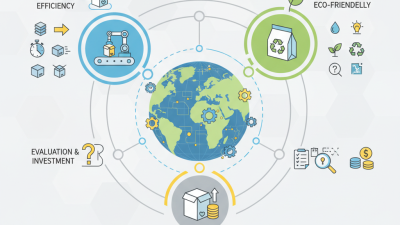
This chart illustrates the projected advancements in packaging equipment for 2026, highlighting trends such as automation, sustainability, and smart technology integration.
Key Technologies Revolutionizing Packaging Processes
The packaging industry is witnessing groundbreaking innovations in 2026. Key technologies are reshaping how products are packaged, handled, and delivered. Automation, for instance, is dramatically increasing efficiency. Robotic systems now handle tasks that were once labor-intensive. This shift not only speeds up production but also enhances accuracy.
Implementing smart packaging technology can offer unparalleled insights. Sensors can monitor conditions like temperature and humidity, ensuring products are stored and transported under optimal conditions. This data not only improves quality but also builds consumer trust. However, reliance on technology can lead to vulnerabilities. If systems fail or data goes offline, the entire process may be jeopardized.
Tips for staying ahead include continuous training for staff on new technologies. Encourage feedback from employees to identify shortcomings in tech integration. Always evaluate the balance between automation and human oversight. In this evolving landscape, it’s essential to maintain critical thinking and adaptability. Embrace the changes, but remain cautious of potential pitfalls that technology may bring. Being flexible will ensure you thrive amid these innovations.
Top Packaging Equipment Innovations in 2026 Are You Keeping Up? - Key Technologies Revolutionizing Packaging Processes
| Innovation |
Description |
Benefits |
Adoption Rate (%) |
| AI-Driven Robotics |
Integration of AI to enhance packaging automation. |
Improved efficiency, reduced labor costs. |
75 |
| Sustainable Materials |
Use of biodegradable and recyclable materials in packaging. |
Lower environmental impact, enhanced brand image. |
65 |
| Smart Packaging Sensors |
Embedded sensors that provide real-time data on product condition. |
Increased product safety, better inventory management. |
55 |
| Robotic Picking Systems |
Advanced robotic systems for picking and placing products efficiently. |
Higher speed, reduced operational costs. |
70 |
| Augmented Reality (AR) for Packaging Design |
Using AR tools for designing and visualizing packaging. |
Enhanced creative process, better customer engagement. |
50 |
Sustainable Innovations Shaping the Future of Packaging
In 2026, the future of packaging is heavily influenced by sustainable innovations. A recent report by Smithers noted that the global sustainable packaging market is expected to exceed $600 billion by 2027. This growth is fueled by heightened consumer awareness and demand for eco-friendly products. Companies are shifting to biodegradable materials and recyclable designs. These changes are crucial in reducing plastic waste.
Innovative technologies play a key role in this transition. For instance, packaging made from mycelium or seaweed is gaining traction. These materials are not only biodegradable but also reduce the carbon footprint of production. However, the challenge remains in scalability. Many small businesses struggle to adopt these technologies due to high costs and limited access to resources.
Collaboration across industries is essential. Reports suggest that partnerships can expedite the adoption of sustainable practices. Sharing knowledge and technology can help smaller players keep up with larger firms. Yet, there is still a long way to go. Ensuring that all companies meet the sustainability standards will require ongoing effort and commitment.
Automation and Robotics Advances in Packaging Equipment
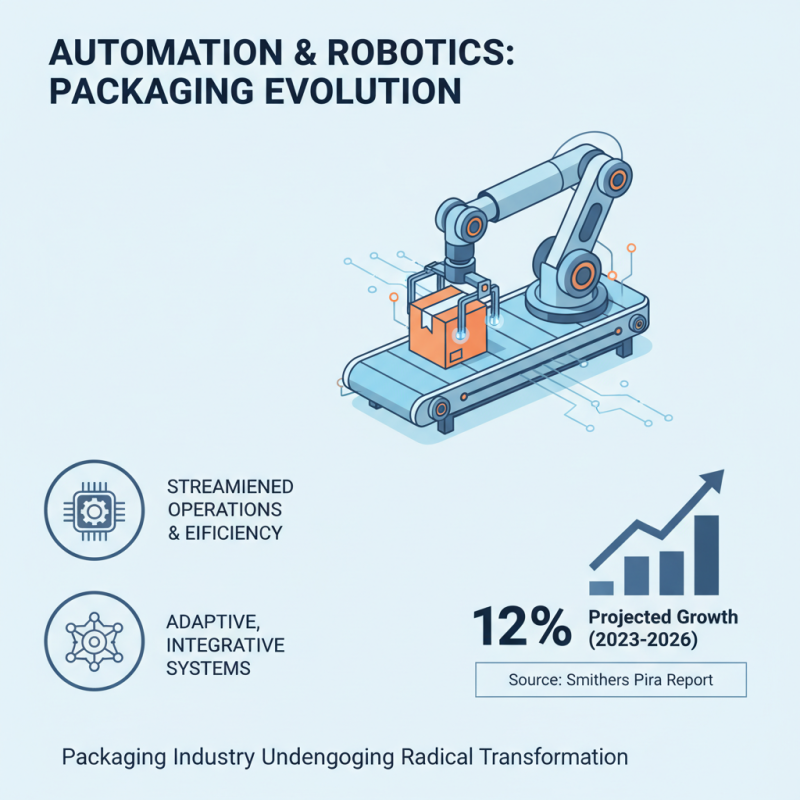
The packaging industry is undergoing a radical transformation, particularly through automation and robotics. Advanced technologies are enabling companies to streamline operations and enhance efficiency. According to a recent report by Smithers Pira, automation in packaging is projected to grow at a CAGR of 12% from 2023 to 2026. This highlights a shift toward integrative systems that can adapt to various products and packaging styles.
Robotic systems are at the forefront of this evolution. They are capable of performing repetitive tasks with precision and speed. Collaborative robots, or cobots, are trending, allowing workers and machines to work side-by-side safely. A study by the International Federation of Robotics shows that robot utilization in the packaging sector has increased by over 40% in the last two years. These figures emphasize the urgency for businesses to embrace these innovations.
However, implementing these technologies is not without challenges. Companies often face high initial costs and the need for skilled labor. Additionally, some packaging lines may require a complete redesign to accommodate new equipment. Organizations must critically assess their workflow to ensure that these advancements provide the desired return on investment. Balancing innovation with practicality is key for success in this rapidly evolving landscape.