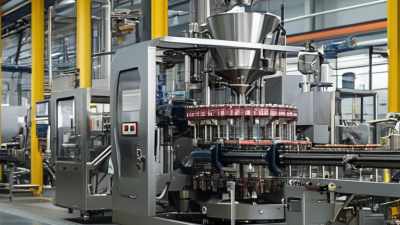
Why Choose an Automated Packaging Machine for Your Business?

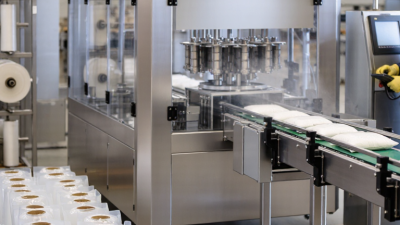
Choosing an automated packaging machine is not merely a technology upgrade. It is a practical decision about speed, consistency, labor, and long-term control. On a busy production floor, cartons move through sensors, belts, and sealing units with measured precision. Fewer manual steps can reduce repetitive strain and limit avoidable packing errors. The benefits become visible in small details, such as cleaner seals and more uniform labels.

Jorge Izquierdo, Vice President of Market Development at PMMI, has stated, “Automation delivers value when it is matched to the operation’s real needs.” That principle deserves attention. A machine should fit the product, package format, output target, and available floor space. It should also connect smoothly with existing equipment. An impressive machine can still disappoint when changeovers are slow or maintenance support is weak.

The best investment begins with honest observation. Measure current throughput. Record damaged packages. Track cleaning and adjustment time. Then compare those figures with the machine’s tested performance. Do not trust impressive claims alone. Ask for demonstrations, service details, operator training, and references from similar facilities.

There is no perfect solution.

An automated packaging machine may increase productivity, but it also introduces software, sensors, and mechanical dependencies. Staff need practical training. Managers need realistic maintenance plans. Occasional failures will still happen. That is normal, and ignoring it would be careless. A thoughtful purchase balances efficiency with resilience, safety, product protection, and future flexibility. In this way, automation becomes more than faster packaging. It becomes a controlled improvement that can support dependable business growth.
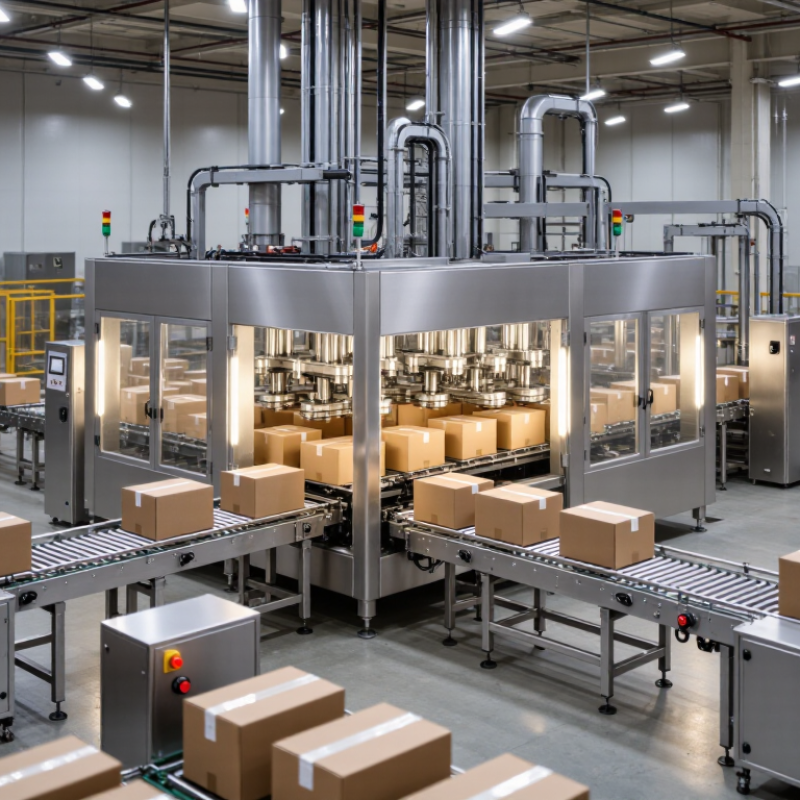
Why Choose an Automated Packaging Machine for Your Business?

What Is an Automated Packaging Machine?

An automated packaging machine is a connected system that performs packaging tasks with limited manual handling. It may include conveyors, sensors, filling units, sealing stations, labelers, and programmable controls. Sensors check product position, package weight, and seal quality during production. The control system then adjusts timing or stops the line when a fault appears.

This matters because packaging is not only about speed. The International Federation of Robotics reported 4.28 million industrial robots operating worldwide in 2023. The report reflects a wider move toward repeatable, data-supported production. Packaging automation can reduce inconsistent hand movements, record output, and support steadier labor planning. However, it is not a magic solution. Product changes, fragile materials, and poor line layout can still create delays. A machine may run quickly but waste materials if settings are wrong.

Tips: Test real products before purchase. Measure changeover time, reject rates, cleaning needs, and operator training hours. Ask for production data, not only brochure claims. Start with one process if demand is uncertain. This is often safer. PMMI industry research consistently identifies labor availability and productivity as major packaging investment drivers. Still, every factory has different constraints. A rushed installation can increase complexity instead of removing it.

How Do Automated Packaging Systems Work?

An automated packaging system turns product flow into a controlled sequence. Products arrive on a conveyor, often spaced by timing screws or guide rails. Sensors detect each item and confirm its position. A programmable controller coordinates filling, wrapping, sealing, labeling, and discharge. The machine reacts in milliseconds. Small errors still matter.

For example, a pouch line may weigh a measured portion before releasing it into film. Heated jaws seal the film, while a printer adds a batch code and date. Cameras inspect seal alignment, label placement, and visible defects. If a sensor detects an abnormal package, the system diverts it without stopping every station. This reduces waste and provides clearer production records. In my experience, stable results depend on calibration, clean sensors, and consistent material dimensions. Automation cannot correct every poor input.

Operators usually load packaging material, adjust approved settings, and monitor alarms on a touchscreen. Scheduled checks remain essential. Seal temperature, weight accuracy, belt tension, and emergency stops need verification. Data logging can reveal recurring jams or gradual weight drift. Yet setup requires careful judgment. A fast machine may create more rejects if its timing is wrong. Human oversight still matters during changeovers, maintenance, and unusual product behavior. It is not completely hands-off.

Why Choose an Automated Packaging Machine?

Automated packaging systems coordinate product feeding, filling, sealing, labeling, inspection, and case packing with minimal manual intervention. The chart shows the calculated output of a 60-packs-per-minute line during an eight-hour shift at different operating-availability levels.

Calculation: 60 packs per minute × 480 scheduled minutes × operating availability. Actual output depends on changeovers, material supply, maintenance, rejects, and product format.

Which Business Needs Can They Address?

An automated packaging machine can address practical business needs, not just increase speed. It suits companies facing rising labor costs, inconsistent packing quality, or frequent order growth. PMMI’s 2024 State of the Industry report identifies labor availability and workforce productivity as continuing concerns for packaging operations. Automation can reduce repetitive handling around filling, sealing, labeling, and case packing. It also creates more consistent packs, which helps protect products during storage and transport.

Small and mid-sized businesses may benefit when demand changes sharply. A flexible machine can switch between formats, package sizes, or production runs with fewer manual adjustments. This matters for businesses selling several product variations. The International Federation of Robotics reported 541,302 industrial robots were installed worldwide in 2023, showing how widely companies are investing in repeatable production tasks. Still, automation is not a cure-all. Poor product design, weak maintenance, or inaccurate volume forecasts can make an expensive machine underused.

Tips: Measure hourly output, changeover time, labor hours, and packaging waste before choosing equipment. Ask operators to test controls and cleaning access. Leave room for mistakes.

A realistic assessment should include training, spare parts, safety procedures, and future product changes. Experience from packaging lines shows that the fastest machine is not always the best fit. A reliable system must match the business’s actual workflow, floor space, staff skills, and expected growth. Review the payback period using conservative sales forecasts, not ideal assumptions. That reflection can prevent automation from becoming a costly display piece.

What Benefits Can Automation Provide?

In a busy packaging facility, automation can turn a slow, uneven packing routine into a measured workflow. A machine can fill, seal, label, and count products at a consistent pace. Operators spend less time repeating hand movements and more time checking materials, settings, and quality. This matters during long shifts, when fatigue can cause loose seals or misplaced labels. The improvement is visible. Fewer interruptions.

Automation also provides clearer production data. Sensors can record output, stoppages, rejected packs, and material use. Managers can compare each shift and investigate unusual changes before waste grows. Accurate records support traceability and more reliable quality checks. Proper guarding, emergency stops, and routine maintenance remain essential. A machine does not replace responsible supervision. It supports it. Staff still need training for changeovers, cleaning, and fault recovery.

The financial benefit may appear gradually rather than immediately. Labor savings can help, but reduced waste, steadier throughput, and fewer customer complaints often matter more. The right system should match product size, package type, floor space, and expected volume. An oversized machine can create unnecessary cost and complexity. That is an easy mistake. Businesses should test real materials and review performance over several shifts before making a final decision. Automation is powerful, but imperfect setup can simply produce mistakes faster.

How Should a Business Select and Implement One?

Selecting an automated packaging machine should begin with production facts, not attractive specifications. Define the product’s weight, dimensions, fragility, and surface characteristics. Record actual output during busy and slow shifts. Measure twice.

Review package materials, sealing temperatures, label placement, and changeover frequency. A machine suited to one format may struggle with five. Ask the supplier for documented speed, accuracy, maintenance needs, and test results using your materials. Request a live trial with real products. This reveals problems that brochures often hide.

Implementation needs a controlled plan. Prepare floor space, electrical connections, guarding, ventilation, and access for cleaning. Connect the machine to existing conveyors or inspection systems only after checking timing and communication requirements. Train operators through supervised production, not a single classroom session. Keep clear procedures for adjustments, jam removal, quality checks, and emergency stops. Track downtime, rejected packs, output, and material waste during the first month. These figures show whether the investment works.

Do not automate every task immediately. A small pilot can expose weak assumptions before full installation. In practice, teams often underestimate changeover time and operator fatigue. We may also overestimate predicted output. Build spare parts, technical support, and staff feedback into the plan. Leave room for revision.

Why Choose an Automated Packaging Machine for Your Business? - How Should a Business Select and Implement One?

Evaluation Dimension Manual Packaging Semi-Automated Packaging Fully Automated Packaging Business Selection Guidance
Typical operating speed Approximately 5–20 packs per minute Approximately 20–60 packs per minute Approximately 60–300+ packs per minute, depending on product and format Match the machine’s rated speed to the required output, allowing for changeovers, replenishment, and minor stoppages.
Labor requirement High; several operators may be needed per shift Moderate; operators load materials and monitor equipment Lower direct labor; skilled setup and maintenance support remain necessary Consider labor availability, wage rates, turnover, and the cost of training replacement workers.
Output consistency Highly dependent on operator technique and fatigue Improved consistency for sealing, filling, labeling, or case packing High repeatability when products and packaging materials are within specification Prioritize automation where uniform weight, seal quality, count accuracy, or presentation is critical.
Initial investment Low equipment cost; higher ongoing labor cost Moderate equipment cost; suitable for gradual automation Higher capital cost for machinery, integration, commissioning, and training Compare total cost of ownership rather than purchase price alone.
Changeover flexibility Very flexible for irregular products and small batches Flexible when tooling and settings are easy to adjust Best for stable product specifications and repeatable production schedules Measure the number of product formats, batch sizes, and changeovers required per shift.
Floor-space requirement Low equipment footprint, but larger space may be needed for labor and material staging Moderate footprint Moderate to high footprint, including conveyors, guarding, controls, and access space Confirm floor loading, ceiling height, utility routes, operator access, and maintenance clearance before purchase.
Material efficiency More variation in film, labels, cartons, or product placement Better control of material usage and pack dimensions More consistent material consumption when machine settings and packaging specifications are controlled Measure material waste by weight or cost per 1,000 finished packs.
Quality and traceability Primarily dependent on manual inspection and records Can include checkweighing, coding, counting, or inspection devices Can integrate sensors, vision inspection, checkweighers, printers, and production data collection Select controls that support applicable quality procedures, labeling rules, and traceability requirements.
Maintenance and technical skills Basic tools and operator training are usually sufficient Requires mechanical, electrical, and controls support Requires preventive maintenance, spare parts planning, troubleshooting, and trained technicians Confirm local service capability, spare-parts lead times, manuals, and training arrangements.
Best-fit production profile Low volume, high product variety, frequent customization Growing volume, moderate variety, and a need to reduce repetitive work High volume, stable products, repeatable packaging formats, and extended production runs Choose the lowest automation level that meets output, quality, safety, and payback requirements.

Automated Packaging Machine Selection and Implementation Checklist

Implementation Stage Key Data to Collect Recommended Acceptance Target Practical Action
1. Define the business case Current packs per hour, labor hours, scrap, downtime, quality defects, and production forecast A documented baseline covering at least one representative production period Calculate expected labor savings, capacity improvement, waste reduction, and payback period.
2. Confirm product compatibility Product dimensions, weight, shape, surface characteristics, temperature, and fragility All current and planned products operate within the machine’s validated range Provide representative product samples and test the most difficult product format first.
3. Validate packaging materials Film or pouch dimensions, carton sizes, sealant characteristics, label format, and material tolerances Stable feeding, sealing, forming, labeling, and coding without excessive waste Run trials using production-grade materials from normal supply channels.
4. Specify performance requirements Required speed, operating hours, changeover frequency, target availability, and acceptable defect rate A written specification with measurable test conditions and pass/fail criteria Use actual product mix and planned shift patterns rather than maximum rated speed alone.
5. Check site readiness Available floor area, electrical supply, compressed air, ventilation, internet access, and material flow Utilities and layout support safe operation, cleaning, inspection, and maintenance Complete a site survey and include guarding, access paths, storage, and emergency stops in the layout.
6. Conduct a factory or on-site test Actual throughput, downtime, changeover time, reject rate, seal quality, and operator workload Results meet the agreed specification under representative operating conditions Record test data and approve the equipment only after reviewing deviations and corrective actions.
7. Install and train Installation schedule, operator roles, maintenance tasks, safety procedures, and spare-parts list Operators can safely run standard production and perform approved routine checks Train operators, technicians, supervisors, and quality staff separately according to their responsibilities.
8. Review post-launch performance Actual output, availability, performance rate, quality rate, changeover time, and total operating cost Stable performance against the approved business case after the ramp-up period Review results weekly during ramp-up and correct bottlenecks before adding more automation.

Note: Speed ranges are typical planning ranges for packaging operations and vary by product geometry, package format, material characteristics, machine configuration, changeover time, and operating conditions. Actual performance should be confirmed through representative product trials.