Choosing the right belt conveyor is rarely a matter of selecting the longest or fastest machine. The correct system must match the material, route, workplace, and operating conditions. A conveyor carrying crushed stone needs different features from one transporting packaged food. Belt width, speed, incline angle, loading method, and discharge height all affect performance.
Small details matter.
In practical conveyor projects, a site inspection often reveals problems that a catalog cannot show. Dust may collect beneath transfer points. Wet material may slip backward on a steep incline. A narrow maintenance area can turn a simple repair into a costly shutdown. These observations help engineers compare belt materials, drive motors, idlers, pulleys, guarding, and cleaning equipment with greater confidence.
Material characteristics deserve careful attention. Weight, temperature, moisture, sharp edges, and particle size influence belt strength and wear resistance. A food-processing line may require hygienic surfaces and easy cleaning. A mining application may need reinforced belts, impact beds, and stronger dust-control measures. Energy use also matters, especially when the conveyor runs for many hours each day.
There is no universal belt conveyor for every facility. Early assumptions can be wrong. Even an experienced designer may need to revise the layout after testing the material flow. Reliable selection combines manufacturer data, operating experience, safety requirements, and realistic maintenance planning. This guide explains the key questions to ask before purchase, helping you avoid an impressive machine that performs poorly in the real workplace.
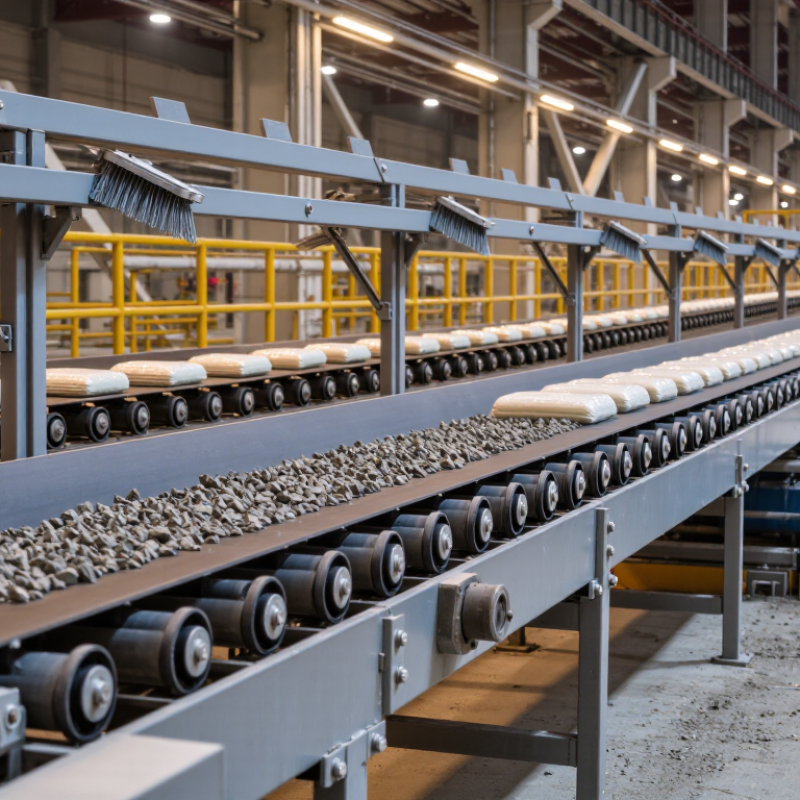
Choosing the right belt conveyor starts with defining the material handling requirements. Record the product’s length, width, height, weight, shape, and surface condition. A 20-kilogram carton behaves differently from loose granules or damp produce. Measure the required throughput in units per minute, not only tonnes per hour. Include peak demand, because average figures often hide short production surges.
Map the conveyor route carefully. Note the horizontal distance, incline angle, transfer points, available floor space, and loading height. Product accumulation also matters. If cartons must stop safely, specify zero-pressure accumulation instead of assuming a standard belt will work. Consider dust, moisture, temperature, washdown exposure, and cleaning routines.
CEMA conveyor design guidance stresses matching belt selection and capacity calculations to the conveyed load and operating conditions. The MHI 2024 Annual Industry Report also found that 55% of supply chain leaders were increasing technology and innovation investment. That investment should begin with accurate operating data, not attractive features. A tidy calculation can still fail on a busy Monday.
Tips:
Choosing the right belt conveyor starts with matching the belt profile to the material. A troughed belt conveyor uses angled idlers to keep bulk materials centered. It works well for aggregates, grain, and mining materials. A flat belt conveyor supports packages, cartons, and lighter loads. It offers easier loading and cleaning. A cleated belt can move material up steeper inclines, but its raised sections may increase cleaning needs. For fragile products, a lower-speed flat belt often reduces impact. Small details matter.
Structural configuration also affects safety, access, and long-term cost. A horizontal conveyor is simple and energy efficient. An inclined design needs proper belt tension and controlled discharge. Reversible conveyors support two-way movement, but their drive and tracking systems require careful adjustment. Mobile frames are useful where loading points change. Fixed stringer frames provide a practical solution for regular production lines. Truss frames span longer distances with fewer supports, while enclosed galleries protect materials from rain, dust, and crosswinds. I have seen layouts fail because transfer points were treated as an afterthought. They create spillage, noise, and maintenance delays. Allow space for inspection. Design access around cleaners, idlers, and emergency stops. A technically suitable conveyor can still perform poorly when workers cannot reach its critical parts.
Choosing the right belt conveyor starts with the belt, not the motor. Match belt width and tensile strength to load, speed, incline, temperature, and material shape. A 2024 Grand View Research report estimates the global conveyor belt market will grow at roughly 5% annually through 2030. That growth reflects wider automation, but it also raises selection pressure. A belt that is too narrow may spill material. One that is too strong may add unnecessary weight and cost.
The drive needs careful sizing. Calculate effective tension from friction, elevation, skirt resistance, and starting conditions. Then include a realistic service factor. CEMA guidance recommends checking belt tension, pulley diameter, loading, and take-up movement together. Do not size the motor from running load alone. Start-up torque can expose a weak design quickly. I have seen conveyors run smoothly empty, then stall under a wet, uneven load. The spreadsheet looked correct.
Support components deserve equal attention. Choose idler spacing for the belt’s stiffness and material density. Use impact idlers beneath transfer points, and keep the loading zone short and controlled. Poor alignment creates edge wear, mistracking, and spilled material. OSHA inspection data repeatedly identifies conveyor guarding and nip-point exposure as serious workplace hazards, so guards and emergency pull-cords must be accessible and tested. MHI’s 2024 Industry Report also found that many manufacturers are increasing investment in automation and data visibility. Sensors can help, but they cannot repair a poorly supported belt. Recheck the design after observing real loading behavior. Reality is less tidy.
How to Choose the Right Belt Conveyor?
Evaluate Capacity, Speed, Layout, and Operating Conditions
Choosing a belt conveyor starts with the material, not the machine. Measure required capacity in tonnes per hour, including peak demand. Record bulk density, particle size, moisture, and expected surges. A conveyor rated for average flow may struggle during loading peaks. That mistake is common. My first estimate would never be final without checking actual feed behavior.
Speed affects more than output. Higher speed can reduce belt width, but it may increase dust, spillage, and material damage. Match speed with the material’s characteristics and the loading method. Calculate belt width, trough angle, and drive power together. Keep transfer points short and controlled. Inspectors should also verify guarding, emergency stops, and safe access around moving parts.
Layout decisions influence maintenance costs. Check horizontal distance, incline angle, transfer points, and available space for belt replacement. Leave room for cleaners, idlers, and inspection walkways. A compact design may look efficient, yet it can make repairs difficult. Operating conditions need equal attention. Abrasive rock requires durable contact surfaces, while wet or sticky material may demand different cleaners and chute angles. Heat, freezing temperatures, corrosive atmospheres, and frequent washdown can change component selection. Use verified calculations, site measurements, and documented maintenance records instead of relying only on supplier estimates. Recheck assumptions after installation, because real material flow is often less predictable than the design drawing.
Choosing the right belt conveyor begins with safety, not capacity alone. Specify fixed guards around pulleys and accessible emergency-stop devices. Check whether operators can isolate power before cleaning or repairs. A conveyor should also include reliable belt tracking and protection against material falling near walkways. Local regulations and site conditions must guide the final design.
Maintenance affects production more than many buyers expect. Ask for clear access to rollers, bearings, scrapers, and tensioning parts. Inspect these components regularly for noise, heat, dust buildup, and uneven wear. In a real plant, a small tracking problem can damage the belt edge within days. I would not ignore this risk. It is easy to underestimate cleaning time during the purchasing stage.
Tips: Measure the actual load, incline, distance, and operating hours. Compare motor efficiency and expected energy use under normal loads, not ideal conditions. Include replacement belts, labor, downtime, inspections, and disposal in the total cost. A low purchase price may hide expensive maintenance. Conversely, an advanced system may not repay its cost on a lightly used line. Review three-year operating data when possible, and question every estimate that lacks supporting measurements.