How to Choose the Right Material Handling Equipment
Choosing material handling equipment is not simply a matter of comparing prices or lifting capacities. The right choice should fit the work, the building, and the people doing it. A forklift may suit wide aisles and varied loads, while a conveyor can move repeatable items along a fixed route. Small details matter: pallet dimensions, floor condition, turning space, and how often loads arrive. Miss one, and a promising plan can feel awkward on the warehouse floor.
Manufacturing expert Taiichi Ohno offered a useful reminder: “Where there is no standard, there can be no kaizen.” His principle points to a practical starting place: understand and document the current process before selecting equipment. Track load sizes, travel paths, peak periods, and recurring delays. Then compare options for capacity, flexibility, operator training, maintenance, energy use, and integration with existing systems. A low purchase price can hide higher operating demands. It happens.
This guide explains how to match equipment to the task, assess safety and facility constraints, and weigh ownership costs over time. It also highlights questions to ask suppliers and data to verify before making a decision. No checklist replaces a site assessment; even a careful estimate can miss a bottleneck or an awkward turn. That uncertainty deserves attention, not a sales promise. The goal is a reliable material handling equipment choice that supports today’s workflow while leaving room for change.
Define Material Handling Requirements and Operational Goals
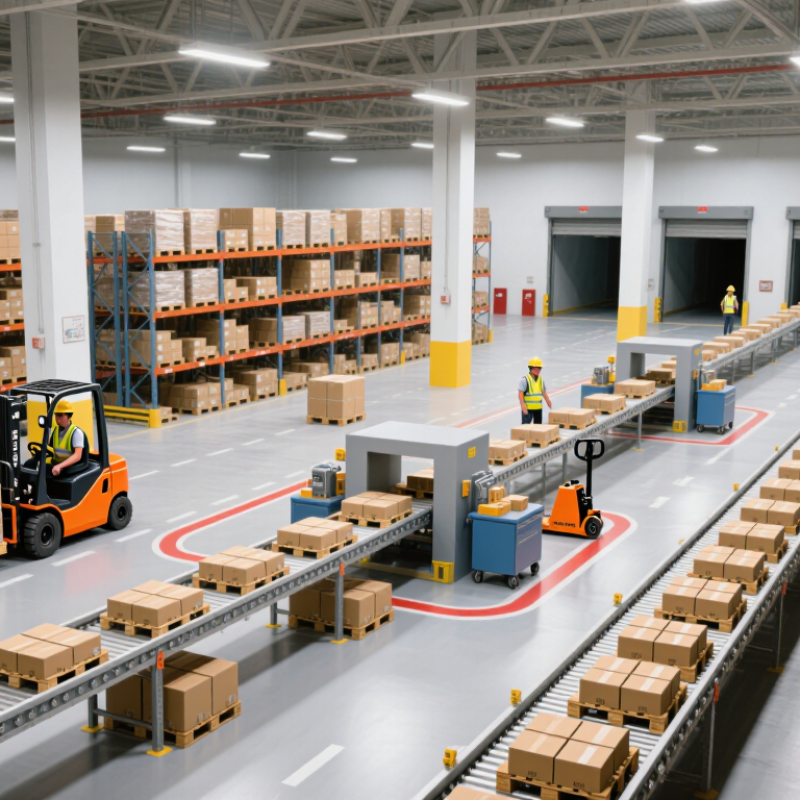
Choosing material handling equipment should begin with a clear definition of operational requirements, not a product shortlist. Measure daily throughput, load weights, package dimensions, travel distances, aisle widths, floor conditions, and storage heights. Record peak-hour demand, not only average volume. A quiet warehouse can become congested after one late shipment.
MHI’s 2024 Annual Industry Report found that 43% of surveyed supply chain professionals planned to increase technology investment. This figure signals pressure to improve capacity, visibility, and labor productivity. However, automation is not automatically the right answer. Define the goal first: fewer manual lifts, faster order cycles, lower damage rates, or safer movement. Each goal requires different performance measures. For example, track picks per hour, equipment utilization, battery downtime, and near-miss events before choosing specifications.
Safety must remain measurable. The U.S. Occupational Safety and Health Administration reports that powered industrial trucks cause about 85 fatal accidents and 34,900 serious injuries annually in the United States. Equipment selection should therefore include operator sightlines, turning clearance, load stability, training needs, and emergency access. A clean spreadsheet can still lie. Our first estimate may ignore seasonal peaks or maintenance delays. Test the proposed workflow with real pallets, actual floor markings, and a simulated busy shift. Small obstacles matter. Then compare the equipment’s total operating cost, service requirements, and flexibility against the defined goals.
Classify Equipment by Load, Movement, and Workplace Conditions
Choosing material handling equipment starts with the load, not the catalogue. Record weight, dimensions, center of gravity, and lifting frequency. A 20-kilogram carton behaves differently from a 20-kilogram liquid container. Stability changes quickly.
Classify equipment by movement. Pallet trucks suit short, floor-level transfers. Forklift trucks handle vertical stacking and longer travel. Conveyors support steady routes, while hoists manage controlled lifting. OSHA reports about 35,000 serious forklift injuries annually in the United States. That figure makes speed, visibility, and operator training practical selection criteria.
Workplace conditions can reject an otherwise suitable machine. Measure aisle width, floor strength, door height, gradients, temperature, and dust. Electric equipment may fit enclosed areas better, while specialized protection may be necessary in wet or high-dust environments. Check turning radius beside racks, not in an empty showroom. The MHI 2024 Annual Industry Report found that 55% of respondents expect to adopt robotics and automation by 2028. Automation can improve repeatability, but it does not remove poor layout decisions.
I once underestimated how much a sloped floor affected loaded movement. The specification looked correct. The daily operation did not. Reassess equipment after observing a full shift, including awkward pauses and temporary storage. A useful trial includes the heaviest load, the narrowest route, and the least experienced trained operator. That test may expose assumptions before they become recurring safety problems.
How to Choose the Right Material Handling Equipment
Classify equipment by load capacity, movement pattern, and workplace conditions. The chart shows representative nominal load ratings commonly used in industrial material handling.
Load
Select equipment with a rated capacity above the heaviest expected load, including pallets, attachments, and uneven load distribution.
Movement
Pallet trucks and AGVs support horizontal transport, while forklifts, reach trucks, and cranes support lifting or vertical positioning.
Workplace conditions
Aisle width, floor quality, pedestrian traffic, rack height, and indoor or outdoor use affect the appropriate equipment choice.
Representative nominal capacities: actual capacity depends on lift height, load center, attachments, operating environment, and applicable safety requirements.
Compare Capacity, Ergonomics, Safety, and Control Features
Choosing material handling equipment starts with the load, not the catalog. Record typical and maximum weights, load dimensions, and how often items move. Capacity ratings can change with lift height, attachments, or load position, so check the equipment specifications against the real task. A pallet that fits on the forks may still extend too far or shift during a turn. Leave a sensible operating margin rather than planning around the maximum rating.
Ergonomics shows up over a full shift. Compare handle height, steering effort, visibility, and how easily workers can reach controls while wearing gloves. Watch an operator move a typical load through the actual aisle. Is the turning space adequate? Small details matter. A control that feels convenient during a short demonstration may cause strain after repeated use. That’s easy to overlook.
Safety features should suit the work area, including brakes, load guards, warning signals, and clear sightlines. Check that workers can stop and respond without confusion. Control features also deserve a hands-on trial: smooth acceleration and precise lifting can help near shelving or people. Match the controls to operator training and floor conditions. No checklist captures every awkward moment; observe real work, ask operators what feels difficult, and revise the choice when the first assessment misses something.
Evaluate Costs, Maintenance, Energy Use, and Equipment Lifespan
How to Choose the Right Material Handling Equipment
Evaluate more than the purchase price when comparing forklifts, pallet jacks, or conveyors. Estimate the total cost over several years, including operator training, inspections, replacement parts, and downtime. A low-cost machine can become expensive if a worn wheel or failed battery repeatedly interrupts a shift. Ask suppliers for maintenance schedules and parts availability, then compare those details with your team’s capacity to perform routine work.
Energy use depends on duty cycle, load weight, travel distance, and charging habits. Track how many hours equipment operates each day, and note peak periods when machines queue for charging. Electric models may reduce energy costs in suitable indoor operations, but battery replacement and charging infrastructure still matter. Fuel-powered equipment may fit some outdoor tasks better. The right choice depends on actual conditions, not a simple rule. Lifespan also varies; rough floors and overloaded pallets shorten service life.
Tips: Inspect the route with operators before purchasing. Measure aisle widths, floor transitions, and turning points. Review repair logs from similar equipment, if available. Set a realistic annual maintenance budget, then leave room for unexpected repairs. This estimate may still be imperfect. Revisit it after the first few months, when real usage reveals what initial calculations missed.
Select, Test, and Implement the Best-Fit Handling Solution
Choosing material handling equipment should begin with the task, not the catalog. Measure load weight, dimensions, travel distance, floor condition, and lifting frequency. Also observe operators during a normal shift. Their workarounds often reveal risks that specifications miss. The MHI 2024 Annual Industry Report found that 83% of supply chain professionals expect to increase technology investment over the next five years. That investment still needs discipline. A fast conveyor may fail when cartons vary in size or moisture.
Select two or three suitable options, then test them with real loads. Record cycle time, noise, turning space, battery use, and operator effort. Include awkward loads, peak periods, and minor interruptions. A controlled trial is useful, but it is not the whole workplace. The U.S. Bureau of Labor Statistics reported 1,190 fatal occupational injuries involving transportation and material moving occupations in 2022. Safer access, visibility, and stable load control deserve equal attention. My practical mistake was testing equipment only on an empty route. It looked efficient. Loaded movement exposed the weakness.
Tips: Build a simple scoring sheet before demonstrations. Give safety and maintainability clear weightings. Ask operators to test controls and emergency stops. Check service response, spare-part access, training time, and total cost over five years. The 2024 MHI report also identified labor shortages as a continuing concern, so equipment should reduce physical strain without creating difficult new software tasks. Document the test results, revise the layout, and pilot the chosen solution with measurable targets. Expect one adjustment. Real facilities rarely match the drawing.