What Are the Top Food Packaging Equipment Types in 2026?
In 2026, food packaging equipment covers a practical range of machines, from liquid fillers to case packers. The right choice depends on the product, package, production volume, and available floor space. A small sauce producer may need accurate filling and secure capping, while a frozen-food line may rely on weighing, sealing, and rapid cartoning. Details matter. A few extra seconds per pack can affect an entire shift.
This guide examines major equipment types, including form-fill-seal machines, vacuum and tray sealers, filling and capping systems, labeling machines, checkweighers, and robotic case packers. Each serves a different purpose. Some protect freshness; others improve portion consistency or help staff handle repetitive tasks. No machine is best for every facility. Not always. A specification sheet may promise impressive speeds, but real output can change with product texture, package materials, changeover time, and operator experience. That is worth checking.
The overview focuses on how these systems work, where they fit, and what buyers should compare before investing. It also considers practical factors such as cleaning access, maintenance support, integration with existing lines, and room for future capacity. These points are easy to overlook during a product demonstration. Careful evaluation helps food businesses choose equipment that suits their actual workflow, rather than a headline speed or a trend.
How Food Packaging Equipment Fits Into a Food Production Line
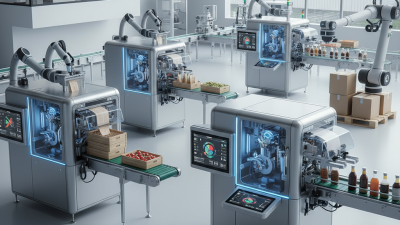
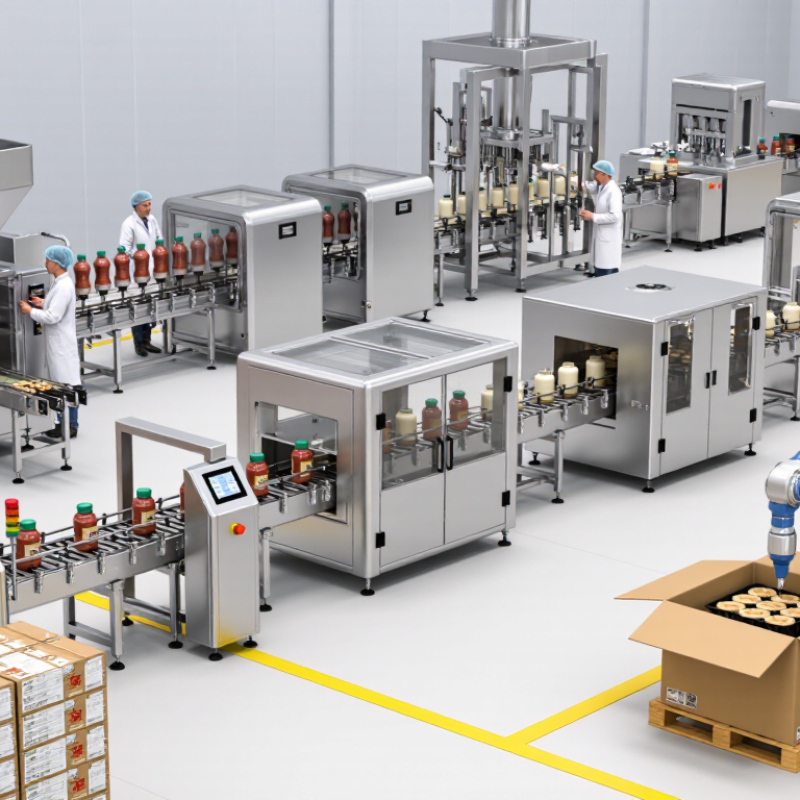
Food packaging equipment works best as part of a connected production line, not as a collection of isolated machines. Product moves from preparation or processing to filling, closing, inspection, and case packing. Conveyors link these stages, while buffers help prevent a brief slowdown at one machine from stopping the entire line. Small pauses matter.
Equipment depends on the food. A liquid line may use a measured filler and a capper; a snack line may rely on a weigh scale, bag former, and heat sealer. Trays often need a denester, filling station, and lidding machine. Checkweighers and vision systems can flag missing items, poor seals, or incorrect labels before cases leave the line. The specific setup should match product texture, package format, cleaning needs, and target output.
Good integration is more than matching machine speeds. Operators need safe access for cleaning and changeovers, and controls should make faults easy to trace. A fast filler can still create a bottleneck if the sealer cannot keep pace. Automation helps, but it does not remove every human judgment call. In real production, packaging changes and small jams happen; plans that assume uninterrupted running deserve another look.
Which Machines Prepare Food for Packaging
Food preparation equipment shapes product quality before a package ever reaches the line. A typical system may use wash flumes, optical sorters, peelers, slicers, blanchers, mixers, and portioning scales. Each machine solves a different problem: removing soil, trimming defects, controlling texture, or delivering consistent portions. For example, a vegetable line might wash carrots, remove damaged pieces, slice them, then weigh each portion. The right sequence depends on the food, not a standard template. FAO’s 2019 State of Food and Agriculture report estimated that 14% of food is lost between harvest and retail. Careful sorting and handling can help limit avoidable losses, though equipment alone cannot prevent them.
Tips: Match machine capacity to the slowest preparation step. Test real product batches, including bruised or unusually sized pieces. Check changeover time and cleaning access; both are easy to underestimate. Keep sample weights and reject rates for routine review.
Automation can improve repeatability, but it may also pass a bad setting through thousands of portions. Operators should verify blade sharpness, water flow, and scale calibration at practical intervals. A small mismatch can mean uneven cuts or excess giveaway. And some products behave differently by season. That part is frustrating. Allow room for adjustment, and record what changed. Sources: FAO, The State of Food and Agriculture 2019; PMMI, 2024 Food and Beverage Industry Trends.
What Equipment Forms, Fills, and Seals Food Packages
Food packaging equipment often combines three jobs: forming a package, filling it, and sealing it.
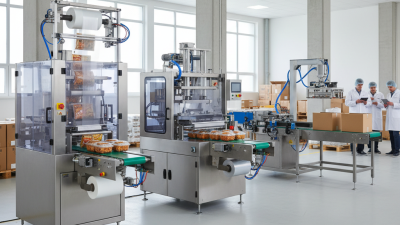
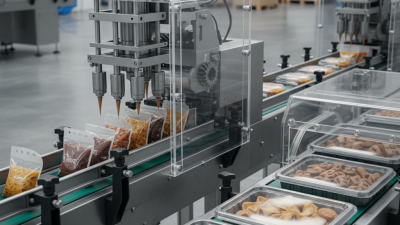
Vertical form-fill-seal machines pull flexible film from a roll, shape it into a tube, dose product, and seal the edges. They commonly package snacks, grains, powders, and some frozen foods. Horizontal systems form pouches or wrap items such as bars and baked goods. Thermoformers heat a plastic film, shape pockets, add portions, and seal a top layer. Tray sealers and cup fillers suit prepared meals, dairy products, and sauces. Fit matters.
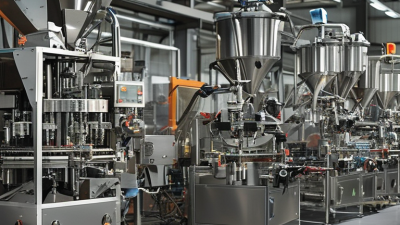
The product helps determine the right machine. A free-flowing snack may need a multi-head scale, while thick sauce may require a pump that controls splashing and portion size. Seal temperature, pressure, and dwell time affect package integrity; operators often check seals during production, not just at setup. Changeovers matter, too. Different pouch widths or tray depths can require adjustments to guides and dosing parts. The catalog makes selection look tidy, but real products are less cooperative: crumbs can reach seal areas, and sticky fillings may slow a line. No perfect setup. Equipment selection should account for product texture, packaging material, cleaning needs, and the pace the line can reliably maintain.
How Inspection, Coding, and Labeling Equipment Ensure Quality
Food packaging quality depends on more than a clean-looking package. Inspection equipment checks whether seals, fills, and containers meet set requirements. On a fast line, a camera can spot a folded film edge or a crooked lid before products reach cartons. Checkweighers can flag packs that fall outside the configured weight range. Metal detectors and X-ray systems can identify certain foreign objects, depending on the product and setup. Small errors matter. These systems need regular testing and clear reject procedures; otherwise, a faulty sensor may pass unnoticed or remove good products.
Coding and labeling equipment add another layer of control. Inkjet or laser coders print batch details and dates onto packaging, while label applicators place product information where operators and buyers can find it. A verification camera can compare printed characters with the production record and detect missing or blurred codes. Labels can still wrinkle on damp or curved packs, and glare can confuse cameras. No system is perfect. Operators should check samples during changeovers, clean sensors, and review reject trends instead of trusting the equipment blindly. Records of these checks make recurring issues easier to investigate and correct.
Which Factors Shape Equipment Choices in 2026
Choosing food packaging equipment in 2026 starts with the product, the package, and the real production target. Daily output matters, but so do short runs and frequent changeovers. Peak speed can look impressive on paper. Small lines have different needs. Not always.
Product behavior shapes the choice. Sticky sauces may need controlled filling and drip-free nozzles. Fragile baked goods benefit from gentle handling. Fresh-cut produce can require careful weighing and packaging that limits moisture buildup. Equipment that works well for one product may struggle with another. Ask operators where jams, spills, and slowdowns happen. Their answers can reveal more than a brochure.
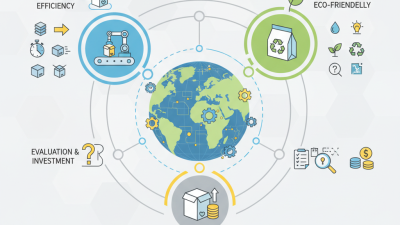
Packaging format and available materials matter, too. Film, trays, cartons, and resealable packs each call for compatible feeding, sealing, or forming systems. New materials may run differently from familiar ones, so test them at realistic speeds before committing. Sanitation access deserves close attention. Check cleaning time, tool requirements, and whether product-contact areas are easy to inspect. Also compare floor space, utility demand, maintenance support, and staff training. An attractive purchase price can hide costly adjustments later. Still, forecasts change, and no spreadsheet captures every surprise on a busy shift.