
China Top Industrial Packaging Machine Manufacturers?
China has become a major sourcing base for industrial packaging machines, serving food, beverage, pharmaceutical, chemical, and e-commerce producers. Its manufacturers range from large automation groups to specialized suppliers building filling, sealing, labeling, cartoning, palletizing, and end-of-line systems. Production capacity matters, but it does not tell the whole story.
Industry reports support this broader view. PMMI’s 2024 State of the Industry report highlights labor shortages, automation, flexible production, and connected equipment as important packaging machinery priorities. Smithers’ The Future of Global Packaging to 2028 also identifies sustainability, material efficiency, and changing consumer formats as major market forces. These findings explain why Chinese manufacturers increasingly promote servo control, robotic handling, remote diagnostics, and compatibility with recyclable packaging materials.
The strongest suppliers usually demonstrate more than attractive catalog photographs. Buyers should examine ISO 9001 procedures, electrical and safety documentation, factory acceptance testing, spare-parts availability, and installation support. A practical test may involve running actual film, cartons, bottles, or pouches at the required speed. Small details matter: seal temperature stability, sensor accuracy, changeover time, and cleaning access can determine daily output.
There is no perfect ranking.
A manufacturer may offer excellent engineering but limited overseas service. Another may provide fast customization but inconsistent documentation. Therefore, this guide evaluates China’s top industrial packaging machine manufacturers through product capability, application experience, quality control, export record, technical support, and long-term operating value. Market definitions vary across reports, so every claim deserves verification through audits, references, and machine trials before purchase.
What Industrial Packaging Machines Are and Why They Matter
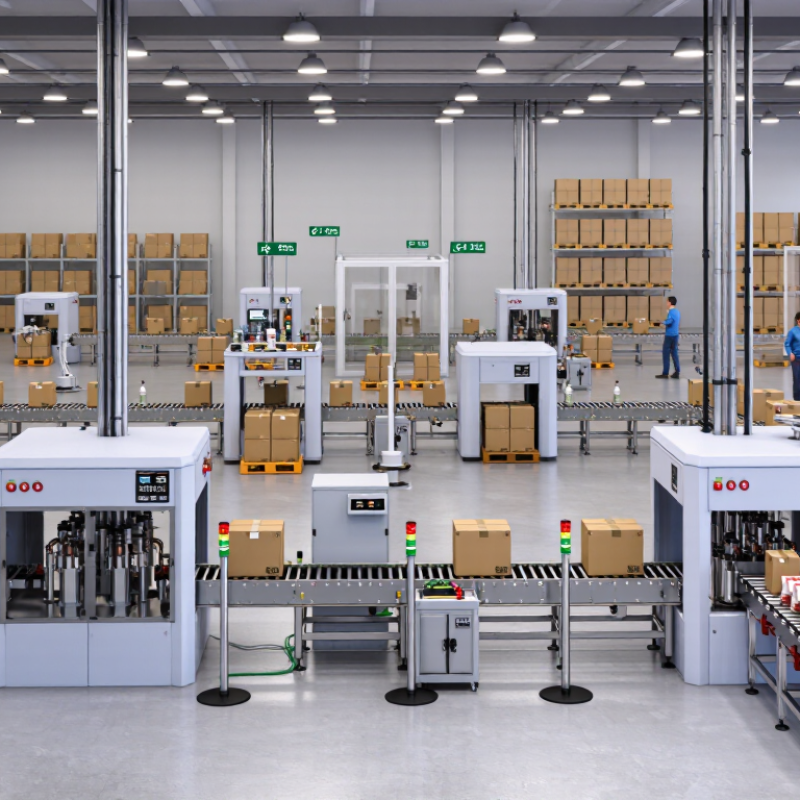
Industrial packaging machines are automated systems that prepare products for storage, transport, and sale. They may form cartons, fill containers, seal cases, wrap pallets, label packs, or inspect finished units. Their value is practical: consistent sealing, accurate dosing, safer handling, and faster production.
According to PMMI’s 2023 State of the Industry report, U.S. packaging machinery shipments reached approximately 10.2 billion dollars in 2022. This growth reflects stronger demand for automation and reliable production lines. Machines also help reduce repetitive manual work. On a production floor, a poorly adjusted sensor can stop an entire line. Small errors matter. Regular calibration and operator training remain essential, even with advanced controls.
The FAO estimates that 13.2% of food is lost between harvest and retail. Suitable filling, sealing, and inspection equipment can reduce damage during handling and transport. Smithers’ Future of Global Packaging to 2028 report also identifies automation, sustainability, and flexible formats as major packaging trends. These pressures affect how buyers compare industrial packaging machine manufacturers. Speed alone is not enough. A dependable system should support traceability, quick changeovers, accessible maintenance, and stable performance under real workloads. No machine is perfect. Film waste, downtime, and cleaning requirements still need honest evaluation before purchase.
China Top Industrial Packaging Machine Manufacturers? - What Industrial Packaging Machines Are and Why They Matter
| Machine Type | Primary Packaging Function | Typical Packaged Products | Common Packaging Materials | Typical Production Range | Key Benefits | Important Selection Factors |
|---|---|---|---|---|---|---|
| Form-Fill-Seal Machine | Forms a package from a roll of film, fills it, and seals it in one continuous process. | Powders, granules, snacks, frozen food, detergents, and small industrial components. | Plastic laminates, polyethylene film, polypropylene film, and recyclable mono-material films. | Approximately 20–200 packages per minute, depending on package size and product characteristics. | Compact footprint, continuous operation, reduced manual labor, and consistent sealing. | Film compatibility, dosing accuracy, sealing temperature, product flowability, and changeover time. |
| Cartoning Machine | Erects cartons, inserts products, and closes or seals the cartons. | Bottles, tubes, pouches, blister packs, hardware, and consumer goods. | Paperboard cartons, corrugated sleeves, and coated folding cartons. | Approximately 30–300 cartons per minute, depending on the carton design and loading method. | Improves presentation, protects products, supports batch coding, and reduces repetitive handling. | Carton dimensions, product orientation, glue or tuck-in closure, loading accuracy, and line integration. |
| Case Packer | Groups retail packages and loads them into shipping cases. | Bottles, cans, cartons, pouches, jars, and multipacks. | Corrugated cases, trays, wraparound blanks, and shelf-ready packaging. | Approximately 10–60 cases per minute, depending on case pattern and product stability. | Higher throughput, safer handling, consistent case patterns, and lower logistics labor costs. | Case format, product grouping, robotic or mechanical loading, line speed, and available floor space. |
| Palletizer | Arranges filled cases or bags into stable pallet loads. | Shipping cases, bags, cartons, drums, and industrial containers. | Wooden pallets, plastic pallets, slip sheets, stretch film, and corner boards. | Approximately 10–120 cases per minute, depending on payload, stacking pattern, and pallet height. | Improves load stability, reduces lifting injuries, increases warehouse efficiency, and supports automated logistics. | Payload, case dimensions, pallet pattern, product fragility, safety guarding, and integration with conveyors. |
| Stretch Wrapper | Wraps stretch film around palletized products to stabilize and protect the load. | Pallets of cartons, bags, containers, construction materials, and warehouse goods. | LLDPE stretch film, pre-stretched film, and machine-grade stretch wrap. | Approximately 20–60 pallet loads per hour for many standard automatic systems. | Reduces product movement, limits dust and moisture exposure, and provides repeatable film consumption. | Load dimensions, film stretch ratio, wrapping pattern, turntable or rotary-arm design, and required containment force. |
| Strapping Machine | Applies tensioned straps around cartons, bundles, or pallet loads. | Corrugated boxes, lumber, pipes, printed materials, and palletized shipments. | Polypropylene strap, polyester strap, and steel strap for heavy-duty applications. | Approximately 20–60 straps per minute for automated carton-strapping systems. | Fast bundle securing, improved load integrity, reduced handling time, and reliable tension control. | Strap width, tension range, package size, seal type, load compression, and product surface protection. |
| Labeling and Coding Machine | Applies labels and prints variable information such as dates, lot numbers, and barcodes. | Bottles, cartons, bags, cases, drums, and flexible packages. | Pressure-sensitive labels, thermal-transfer ribbons, inkjet ink, and cartons or films. | Approximately 30–500 products per minute, depending on label size, print content, and verification requirements. | Supports traceability, regulatory information, inventory control, and automated product identification. | Print resolution, substrate, label placement, barcode verification, data connectivity, and environmental conditions. |
| Vacuum Packaging Machine | Removes air from a package and seals it to extend protection and reduce oxidation. | Meat, seafood, cheese, medical devices, electronic parts, and moisture-sensitive goods. | Barrier pouches, multilayer films, vacuum bags, and heat-sealable laminates. | Approximately 2–20 cycles per minute for chamber systems, depending on chamber size and package count. | Helps limit oxygen exposure, protects against contamination, and reduces package volume. | Vacuum level, seal width, bag material, product shape, chamber dimensions, and hygiene requirements. |
Note: Production ranges are general industry reference values. Actual output depends on product characteristics, package dimensions, material specifications, automation level, and operating conditions.
Related Posts
-
What Is the Best Packaging Equipment in 2026?
-
Top 5 Tips for Choosing Packaging Automation Equipment?
-
How to Buy Used Packaging Equipment in 2026?
-
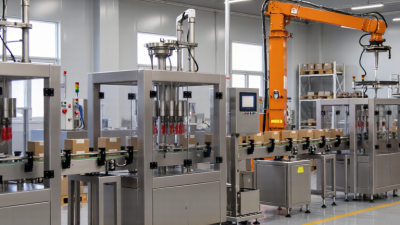
China Top 10 Packaging Automation Equipment Manufacturers
-
Top Packaging Equipment Trends You Need to Know for Your Business
-
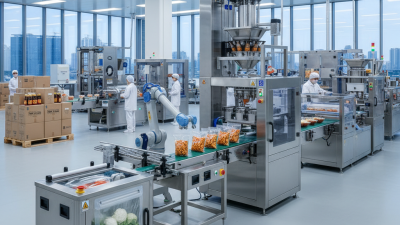
Top 10 Food Packaging Machines for Your Business Needs?